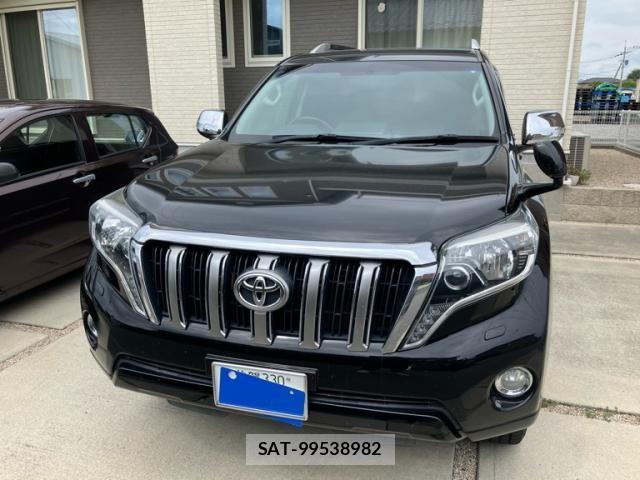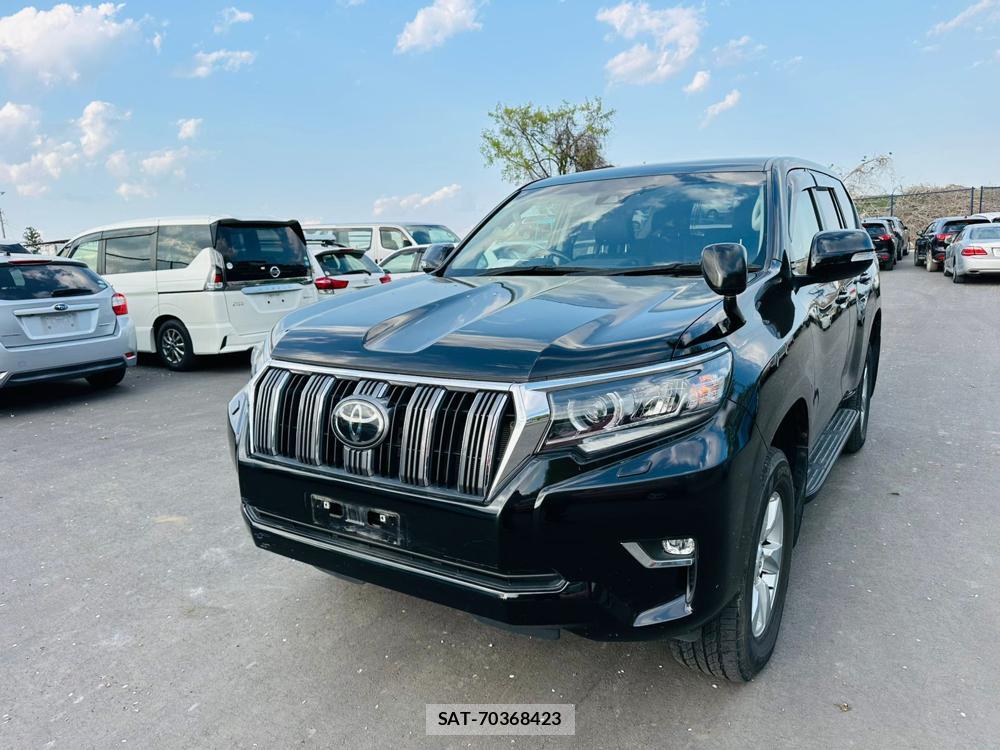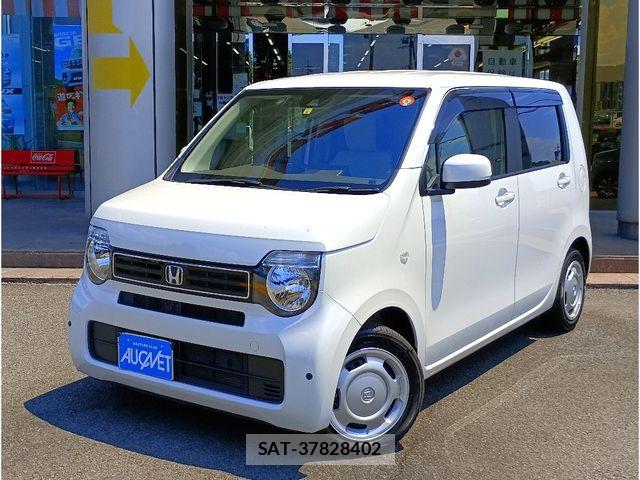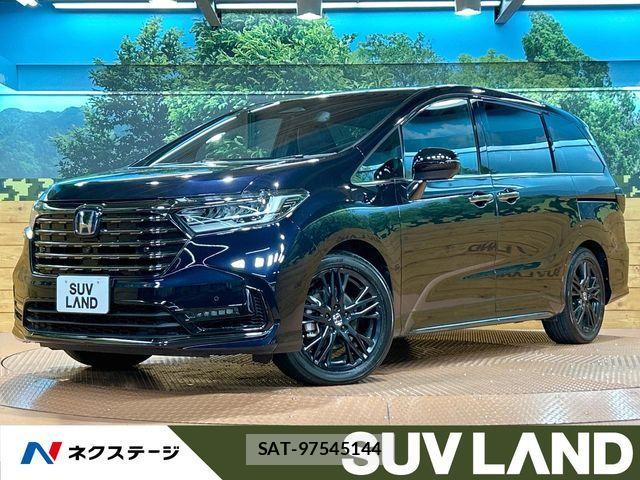


- استكشف حسب السنة 2000 - 2005 2005 - 2010 2010 - 2015 2015 - 2020 2020 - 2026
- استكشاف حسب الخصم خصم 60% أو أكثر خصم 50% أو أكثر خصم 40% أو أكثر خصم 30% أو أكثر خصم 1% - 30
- موقع المخزون Japan South Korea Singapore United Kingdom Zambia


Browse our auctioned cars from all auction houses in Japan and place a competitive bid on your dream ride


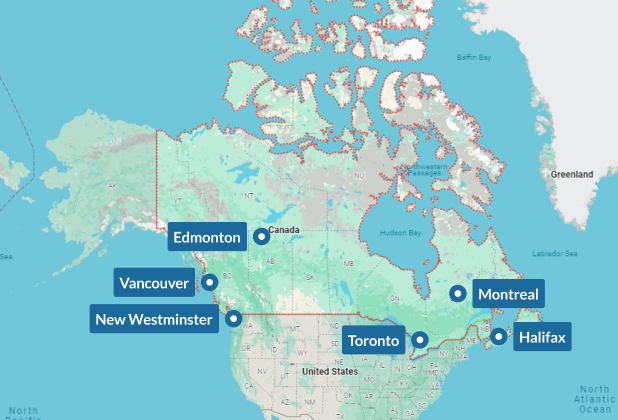
 Canada قائمة الموانئ
ميناء الوصول
استلم مركباتك من الموانئ التالية
From New Westminster port to:
From Halifax port to:
From Montreal port to:
From Vancouver port to:
From Toronto port to:
From New York port to:
From Baltimore port to:
From Brunswick port to:
From Nanaimo port to:

Unlock extra points, discounts on premium services, and much more.





 ساعات العمل / أوقات الدوام:
من الإثنين إلى السبت 8:30 صباحًا حتى 5:30 مساءً
 مغلق
مغلق
الأحد عطلة / مغلق يوم الأحد
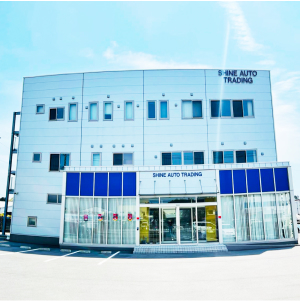
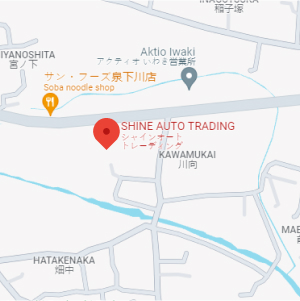
 عنوان المكتب::
156-1 هاتاكيناكا أزا إيزوميماتشي، إيواكي، فوكوشيما 971-8183، اليابان (العنوان يمكن ترجمته أو نقحرته)
 رابط الموقع
https://maps.app.goo.gl/kdV9c6RhTUc7My9H7
 الهاتف:
+81 246-81-9677
 البريد الإلكتروني
[email protected] (عناوين البريد الإلكتروني لا تترجم)

Max. 15 Years Old

New Westminster

1 to 2 weeks
(can vary)

No
Used vehicles must be at least 15 years old (from the manufacture date) to import without meeting full Canadian Motor Vehicle Safety Standards (CMVSS). Quebec and PEI apply stricter provincial rules for public-road registration.
Both right- and left-hand drive vehicles are permitted for import into Canada, despite traffic driving on the right.
Vehicles 15+ years old are exempt from the RIV program and CMVSS compliance inspection. All imports still go through a CBSA documentation check, a CFIA cleanliness inspection (vehicle must be free of soil, plant matter, pests), and a provincial safety inspection at registration.
Duty
Japan-manufactured vehicles - 6.1% MFN duty on transaction value
US/Canada/Mexico-manufactured vehicles, generally duty-free under CUSMA
GST/HST/PST 5% federal GST applies to the customs value (price + shipping + duty). HST provinces charge the combined rate at the border; others charge GST at import and PST/QST separately at registration.
Additional Federal Levies
$100 excise tax on vehicles with air conditioning
$1,000–$4,000 Green Levy on vehicles with fuel consumption ≥13 L/100km
Luxury Tax on vehicles over $100,000 CAD
Vehicle Registration (Provincial): No federal road tax. Registration/licensing fees are set provincially and vary e.g., Alberta has no PST, while Ontario/BC apply PST/HST plus registration fees.
Tests Required Depending Upon Age
Under 15 years: generally not importable unless built to US/Canada spec and processed through RIV (modifications + federal inspection)
15 years or older: exempt from RIV/CMVSS; still needs CBSA check, CFIA inspection, and provincial safety inspection
Canada Import Regulations: Manufacturer’s Statement of Origin or Certificate of Origin (front and back)—Original Title. If your vehicle is not expected to have any of these documents, you should present a certificate of No Title.
Bill of Lading
Photo ID
Commercial invoice from the supplier
Bill of Sale
Original Certificate of Title / Certificate of Origin (or Certificate of No Title)
Original export/de-registration certificate
Vehicle Import Form (Form 1), CBSA-stamped
Recall clearance letter
Canadian motor insurance
RIV registration confirmation (if under 15 years)
Business Number (for commercial importers)
Direct exporters ship Japanese used cars to Canada straight from Japan's auction network, with no dealership markup added. See our Canada import eligibility guide for the full rules. Many Canadian buyers skip the local lot for Japan directly. The numbers explain why: auction inventory beats any single dealer's stock, prices stay lower without reseller markups, and vehicle records are more transparent than what a random lot offers.
Canadian winters are hard on a car. Road salt eats away at the undercarriage, cold snaps stress the battery and fluids, and long highway stretches rack up kilometers fast. Japanese used cars tend to hold up well under that kind of pressure, and there's a real reason for it.
Japan has a strict vehicle inspection system called Shaken, and it forces owners to keep their vehicles in strong mechanical condition or pay high re-registration costs. That pushes a lot of well-maintained cars onto the export market long before they show significant wear. You'll notice something else once you start browsing listings, too. Odometer readings on Japanese-market cars often run lower than a Canadian-market equivalent of the same age, since Japanese owners simply don't rack up the same yearly mileage that Canadian commuters do.
Here's the part that matters most once you actually own the car. Toyota, Honda, Nissan, Mazda, and Suzuki are already common names in Canadian driveways, so parts and mechanics familiar with these models aren't hard to find. That familiarity keeps resale value strong when it's eventually time to sell your used car for sale on the local market.
Not every car buyer wants the same thing, and that's really the point of buying direct. You get access to both ends of the market in one place instead of settling for whatever a single lot happens to carry.
Every day, budget-friendly imports move fast because they simply make sense for daily driving:
Toyota Corolla
Toyota Vitz
Nissan Note
Toyota Prius
Toyota Land Cruiser Prado
On the other end, JDM and enthusiast imports draw buyers who want something the regular Canadian market does not usually offer:
Nissan Skyline GT-R
Toyota Hilux
Mazda RX-7
Honda Integra Type R
Toyota Mark X
Whichever list you're browsing, the same auction transparency applies to every car on it.
Most of what SAT Japan sells has never touched a dealership floor. It comes straight from Japan's professional auction network, and that's genuinely good news for you as a buyer.
Every vehicle at auction gets an auction sheet, and that sheet tells you more than a dealer walkaround ever could. The auction grade gives you a quick overview of the vehicle's condition, the mileage is logged and checked against the vehicle's history, and an R mark flags a car with prior accident repair. Ignore the auction sheet, and you are buying blind.
Forged or altered auction sheets are a genuine concern across this industry, which is exactly why sheet verification matters so much.
Plenty of exporters claim to sell directly from Japan. Not all of them actually operate that way once you dig into how their stock is sourced.
SAT Japan sources every vehicle straight from Japan's auction network rather than buying through a middleman, and every vehicle comes with a verified and translated auction sheet before it is listed for sale. Customer support is available 24/7, so a question that comes up outside typical business hours still gets answered rather than sitting in a queue overnight. None of that matters much if the car doesn't show up the way it was described, which is exactly why the auction sheet verification step exists in the first place.
If you're ready to look at real inventory, browse SAT Japan's Canada stock or reach out to the team directly with what you're looking for.
Picking between a local lot and a direct exporter comes down to a handful of real differences, and they show up the moment you start comparing two listings side by side. A local dealer works with whatever happens to be available on its lot that month. SAT Japan sources vehicles from Japan's entire auction network, which means a wider selection and a clearer paper trail on every single vehicle.
Feature | SAT Japan | Local Used Car Dealers |
Vehicle selection | Full Japanese auction inventory | Limited to local inventory |
Pricing | Auction price plus shipping | Retail markup included |
Condition transparency | Verified auction sheet and grade | Varies, often undisclosed |
Sourcing | Direct from Japan | Often resold multiple times |
Support | Dedicated Canada contact | In-person only |
If you want the full condition picture of a car before you commit to it, direct sourcing gets you there. A local lot usually can't.
Getting a car from a Japanese auction yard to your driveway follows a clear sequence, and none of the steps requires guesswork on your part.
Browse the live stock or place a bid on an auction vehicle.
Request a quote that includes the auction sheet, photos, and a landed cost estimate.
Confirm your arrival port. Vancouver and Halifax are the two most common choices for Canadian buyers, though other ports are available depending on your province.
Complete the purchase and sign off on the export documentation.
The vehicle ships by RoRo or container, with sea transit typically running four to six weeks depending on the route.
Once it arrives, the car clears CBSA at the border, and registration is then completed according to provincial requirements.
For the complete list of what's legally allowed into Canada, our full Canada import eligibility guide covers every rule in detail.
For more details on how to import Japanese cars from Japan to Canada, read our complete Canada Import Guide.
The price shown on a vehicle listing is only one part of the total amount you will pay to get that car sitting in your driveway. Before committing to anything, it helps to see the full picture up front.
The cost of importing a Japanese used car into Canada usually consists of three main parts: the vehicle price itself, ocean freight from a Japanese port such as Yokohama, Nagoya, or Osaka to your chosen Canadian port, and the duties and taxes that Canada charges at the border. Vehicles built outside North America typically carry a 6.1% import duty, plus a 5% GST collected by CBSA at the border. Provincial sales tax gets added on top at registration, and the exact rate depends on where you live.
Rather than guess at these numbers, send SAT Japan the make, model, year, and engine size of the car you want, and the team can put together a current landed cost figure so you're working with real numbers instead of rough estimates.
Buying a Japanese used car directly from Japan isn't complicated once you understand the moving parts: real auction data, a clear shipping path, and duties you can calculate ahead of time instead of getting surprised by them later. That's really the entire case for SAT Japan in one sentence. You get a bigger selection than any local lot can realistically offer, pricing that avoids additional reseller markups, and a verified condition report on every car before you spend a dollar. For Canadian buyers who want Japanese used cars for sale without the guesswork, that combination is hard to match with a local dealer.

مع SAT، لا داعي للقلق بشأن الرسوم المخفية أو التكاليف الإضافية. نسعى جاهدين لتقديم صفقات عادلة لعملائنا في Canada دون المساومة على الجودة.

تفخر SAT بتقديم سيارات يابانية مستعملة عالية الجودة في Canada بأسعار معقولة. مع SAT، يمكنك العثور على مركبات موثوقة بأنسب الأسعار.

تفضل بزيارة SAT واختر من مجموعتنا الواسعة من السيارات اليابانية المستعملة. نحن أكبر مصدري السيارات اليابانية في Canada، ونقدم مركبات تناسب أسلوبك وميزانيتك.

فريقنا المتفاني يبذل قصارى جهده دائمًا لتقديم خدمات استثنائية لعملائنا في Canada وبناء علاقات طويلة الأمد معهم.
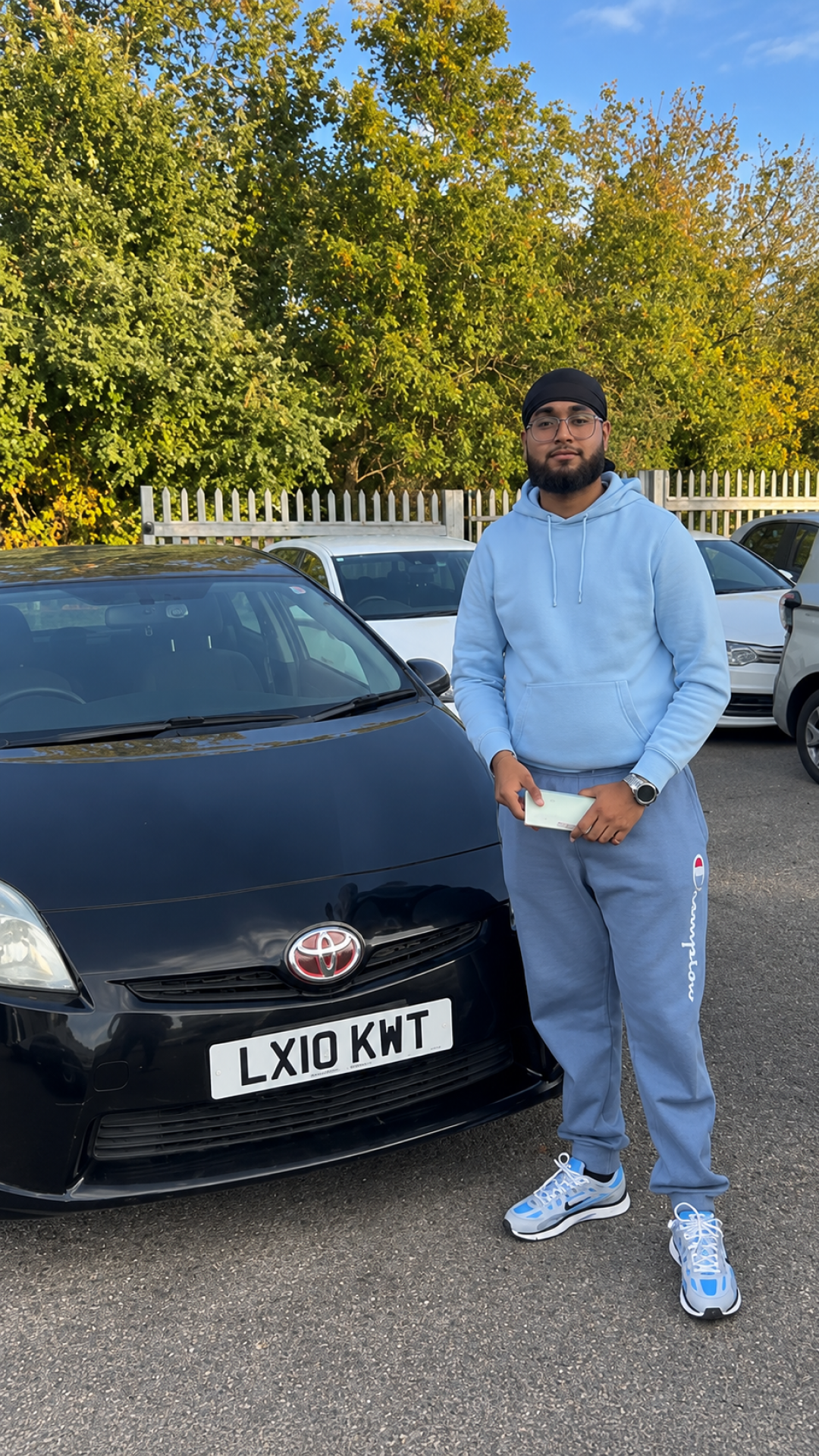
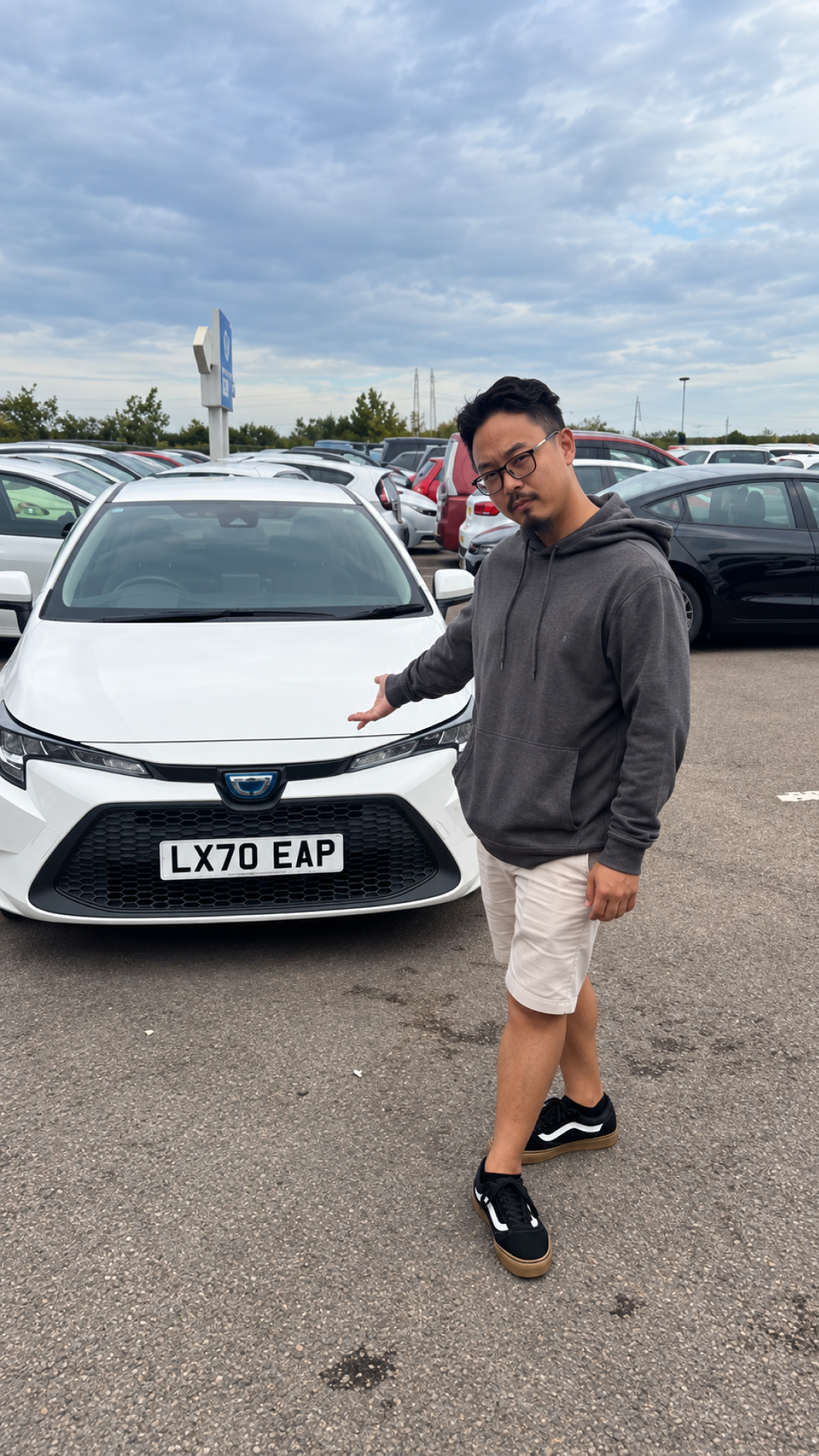
This site exceeded my expectations. Highly recommend this site for its customer service, user-friendly interface, and of course, the incredible auto display that allowed me to get my Subaru Impreza.

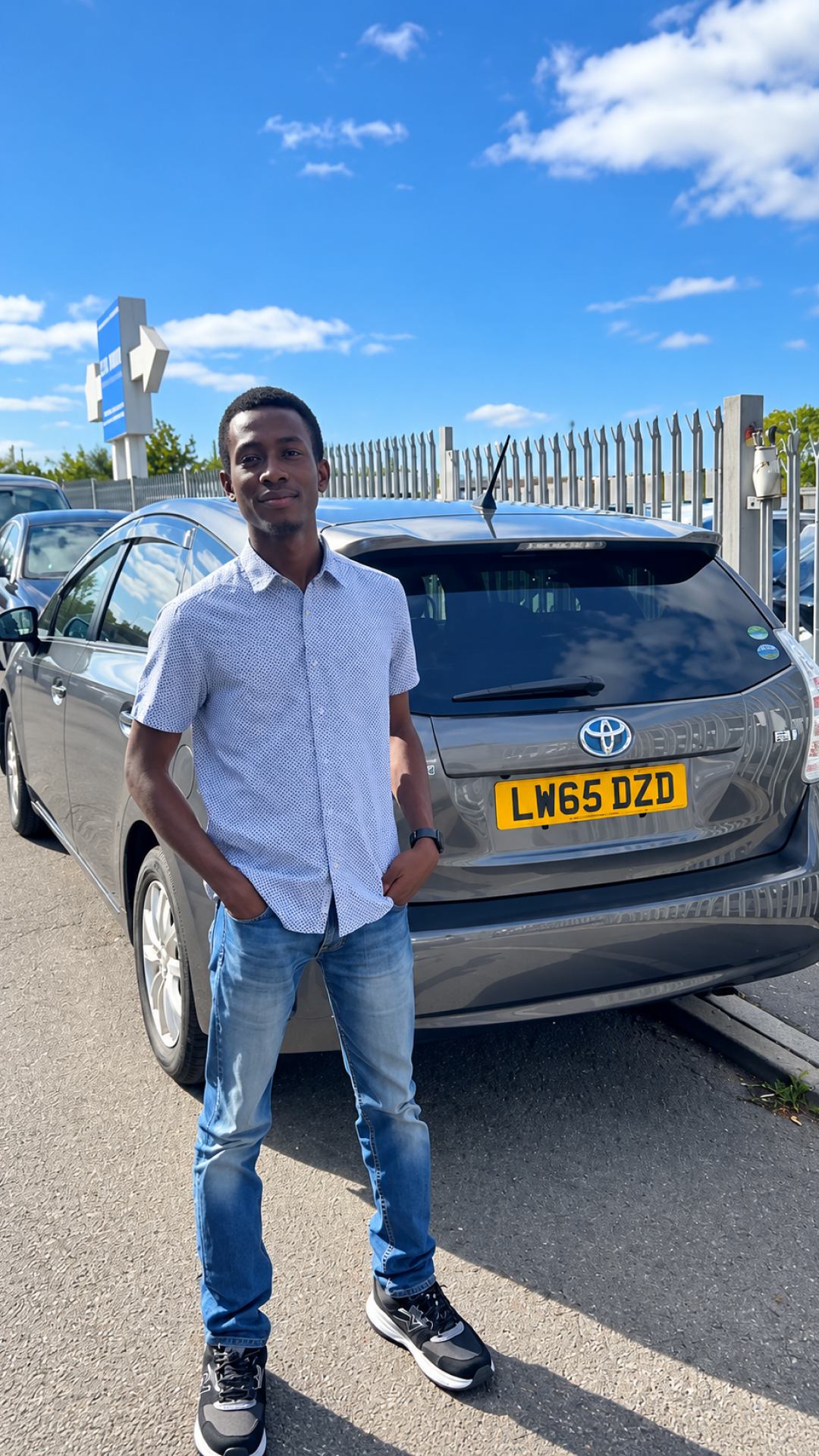
Beautiful car and very comfortable to drive. The interior feels premium and the ride is quiet. I only noticed some small wear inside because of age, but I can accept that. SAT Japan made the purchase straightforward.
Really like this car. Comfortable, smooth on the road and enough space for my family. I received regular shipping information from SAT Japan and the vehicle looked almost same as the photos. Good experience overall.
Was little nervous before the car arrived because this was my first time buying from Japan. But the Probox came in good shape and starts without any issue. There was a small scratch on the body, nothing serious. SAT Japan answered my questions whenever I contacted them.
I bought this Hiace mainly for work and honestly it has been a good choice. Very spacious and engine feels strong. The buying process was easy and the documents from SAT Japan came properly. Happy with the van.
Getting a car is a big moment, and this one made me really happy. The car looked clean, smart, and ready for the road. I was thankful to SAT Japan for helping me with the purchase.
My experience with SAT Japan was okay, but not perfect. I liked the car and was happy to finally receive it. Still, there were some things that could have been better.
I was excited about getting a car from SAT Japan, but my experience was not as good as I expected. The car looked fine in the pictures, but I had some concerns after receiving it. I hope SAT Japan can improve the checking and communication so customers know exactly what they are getting.
Getting this car was a very special moment for me. I had been waiting and hoping for a good car, and SAT Japan helped make it happen.
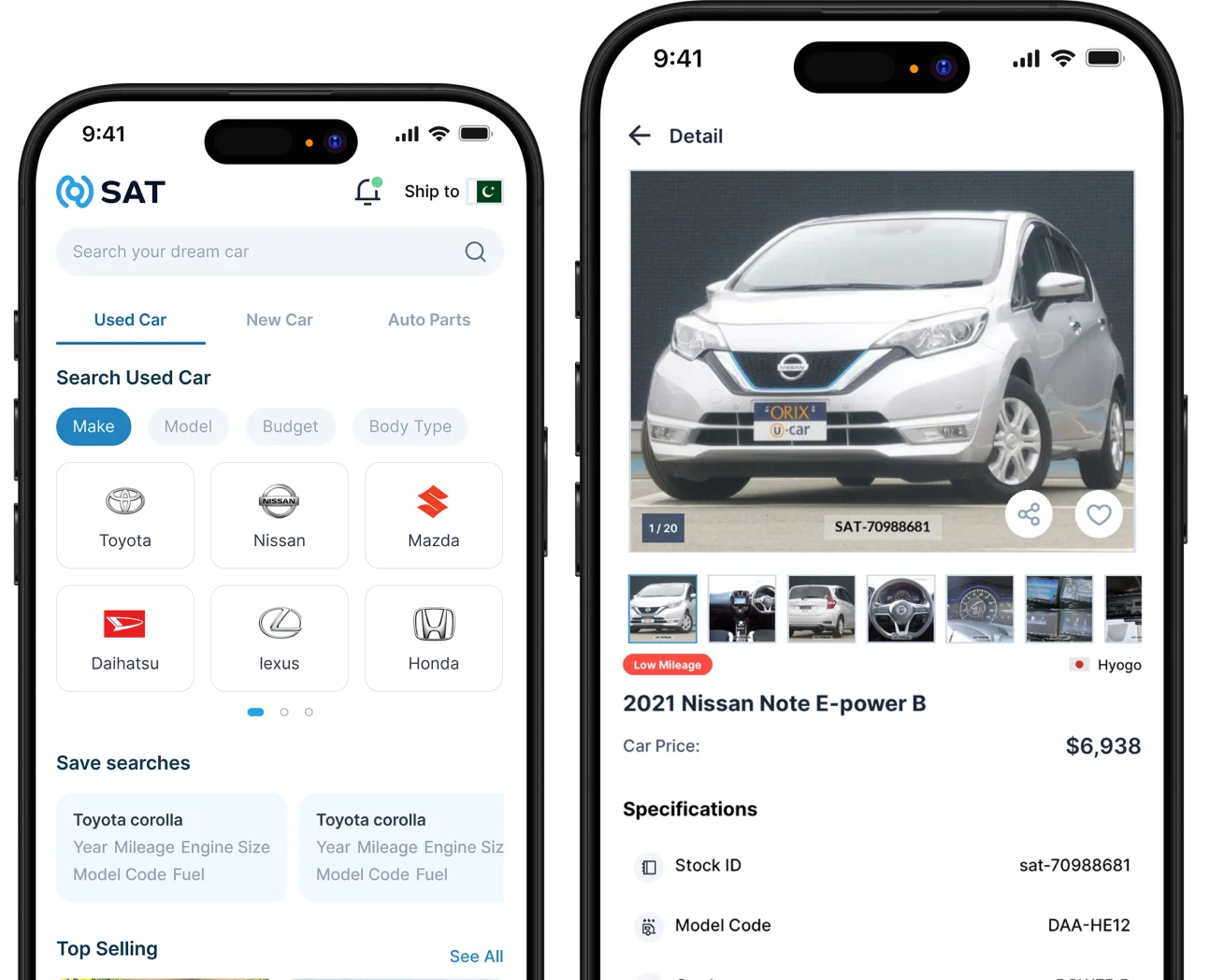
Find your dream ride and earn extra rewards from the comfort of your phone


Scan the QR code to get the app