South Africa loves Japanese used cars. In Johannerburg, people are opting for Japanese used cars because of their fuel efficiency and durability. There are many buyers seeking Japanese used cars for sale in South Africa, and they tend to deal with importers and exporters to gain greater pricing and selection advantages.
Let’s discuss why Japanese used cars suit South Africa, the distinction between new and used imports, the import process, and how to purchase cars safely.
Why Japanese Used Cars Fit South Africa So Well
South Africa has a combination of highways, urban traffic, and rural roads, which require powerful and efficient cars. Japanese used cars are designed to overcome the varying conditions of roads on the road. They have a reputation for being durable, efficient in fuel consumption, and performance. Most of the models are cheap to maintain since replacement parts are readily available nationwide. Japanese brands are also conversant with local mechanics, and hence they are easy and economical to repair. To families, business owners, and even to the daily commuters, the Japanese used cars provide quality performance and good value of money on the South African roads.
New Japanese Cars in South Africa
Purchasing a new Japanese car is a new start and full relaxation. These cars are equipped with the latest safety features. They have advanced braking systems, better fuel-efficient engines, and smart driver assistance functions that help on every trip to be safer and more comfortable. New cars also minimize the uncertainty of making unforeseen repairs that might occur, as they have full manufacturer warranties.
The importing of new Japanese cars by many buyers in South Africa is due to their desire to have a particular model, colour, or trim level of a car that is not readily available in South Africa. New cars may be more costly in the initial years than used vehicles because they require less maintenance and fewer repairs. New Japanese cars are a good option for drivers who prioritize reliability, modernity, as well as long term assurance.
Used Japanese Cars in South Africa
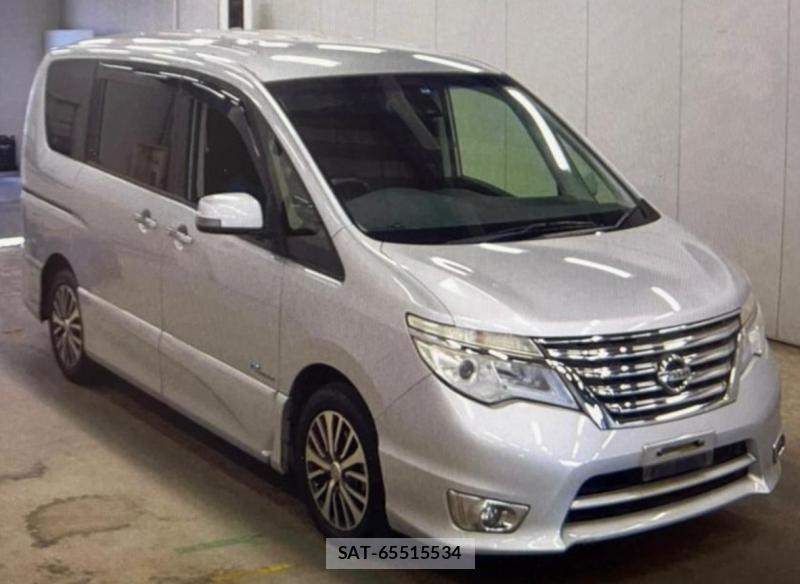
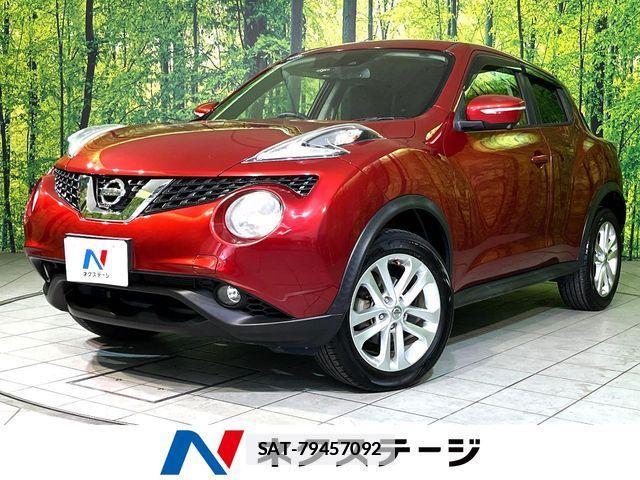
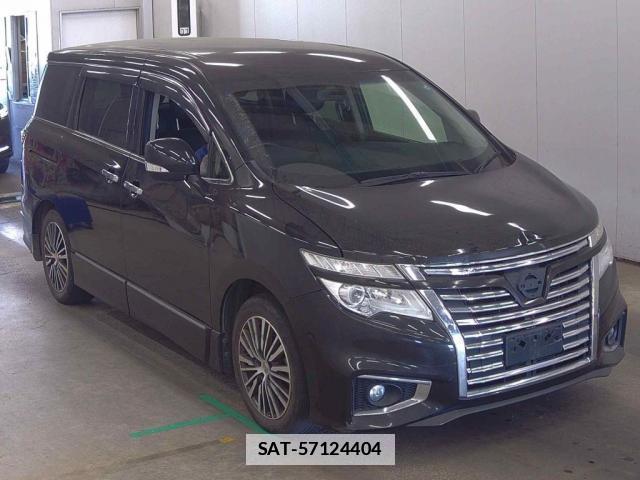
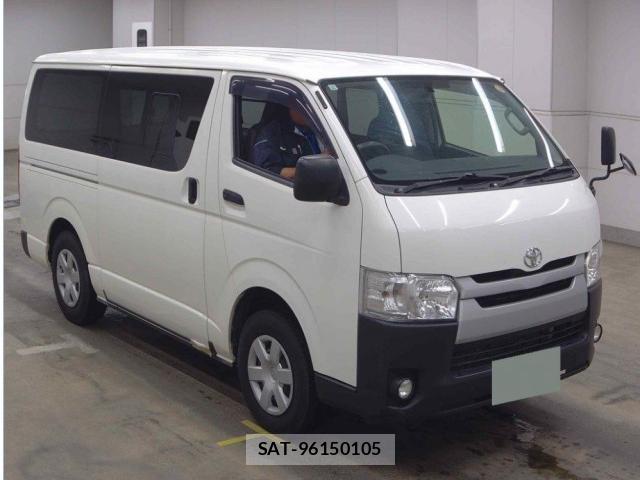
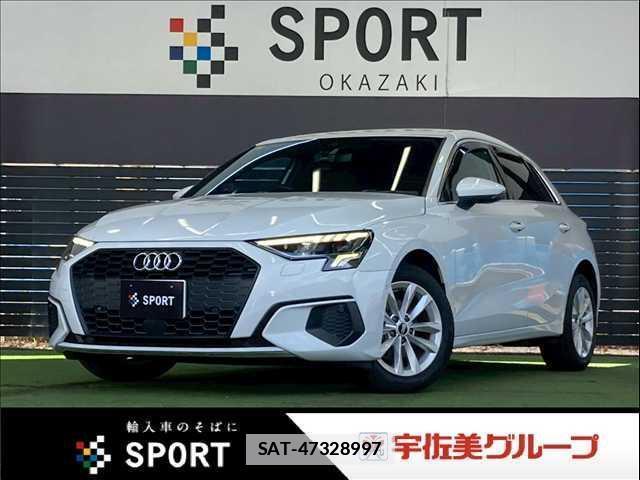
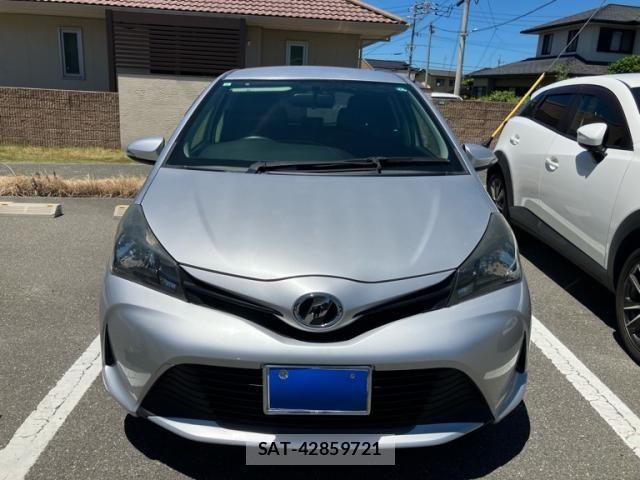
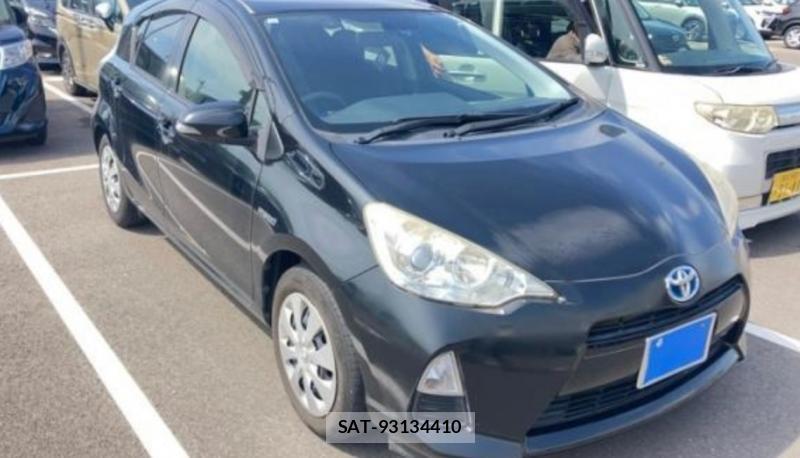
The most important product among South Africans is used cars. They are affordable and yet have good reliability. The majority of the Japanese cars are exported, including auction sheets, mileage records, and condition photographs. That assists the buyers in viewing the actual condition of the car prior to purchasing.
The benefit of dealing with reputable japanese used cars dealers, or japanese used cars importers, is that you get access to certified cars, transparent pricing, and good export documentation. This makes you less risky and makes better decisions.
How Japanese Used Cars Are Imported into South Africa
It may be easy to import a used car when you deal with an experienced exporter. The most common process is as follows:
Choose the vehicle: In Japan, you choose a car from the auction inventory or the dealer inventory.
Get a full quote: The quote must display vehicle price, shipping, exportation fees, and optional insurance.
Inspection & paperwork: The exporter checks the car, collects export documents, and makes the bill of lading.
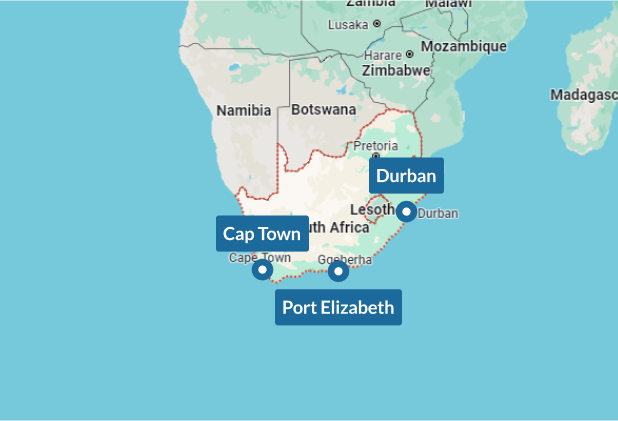
Shipping: Shipment of cars is done via Ro-Ro (roll-on/roll-off) or within containers to ports such as Durban or Cape Town. Depending on the route, transit can take a few weeks.
Customs & registration: Upon arrival, you do the customs clearance, pay customs duties and VAT, and get the car registered in South Africa.
South Africa Import Costs & Rules (Simple Breakdown)
Before importing a vehicle into South Africa, it is necessary to be aware of the rudimentary expenses and legal necessities. Being aware of such details will put you in a position to spend your budget well and prevent any unnecessary delay.
Import Permit: A majority of second-hand vehicles are not allowed to enter South Africa without an official import permit. The shipping of the car must be approved by the concerned authorities. The car might not be cleared at customs without the relevant permit.
VAT (Value Added Tax): The South African VAT is currently 15%. It is computed based on the custom value of the vehicle, which is the purchase price plus freight plus any import duty.
Import Duty: The amount of the import duty depends on the tariff classification, the engine size, and the type of vehicle. The percentage may be different, and it is always appropriate to have a licensed clearing agent who would be able to work out the exact amount that should be paid on your specific vehicle.
By cooperating with reputable Japanese car exporters, you are assured of getting the right invoices, export certificates, and shipping documents required to make customs clearance and calculate tax properly.
Shipping & Transit Time
The majority of Japanese cars are exported by sea. The typical Ro-Ro technique is affordable when it comes to single vehicles. Transit of South African ports by sea typically requires about 3 to 6 weeks or 4 to 8 weeks, depending on route and ship schedule. Sellers provide tracking and shipping receipts to the buyers.
Japanese Models South African Buyers Prefer
South African drivers choose models that achieve a decent fuel economy, durability, and the availability of spares.
City cars and small cars: Toyota Corolla, Honda Fit, Nissan Almera - good in the city, with cheap fuel consumption.
SUVs and crossovers: Toyota Fortuner, Mazda CX-5, Nissan X-Trail - preferred by family and rougher roads.
Pickup trucks/bakkies: Toyota Hilux, Isuzu D-Max -reliable for business, farms, and heavy loads.
These are models that are highly exported in Japan and have a good reputation in South Africa.
Auction Grades & Condition Reports (Why They Matter)
Grading systems in Japanese auction houses are provided to indicate the condition of a car. Grades include exterior and interior conditions, and also notes about repair or damage. A good grade and a clear auction sheet make the buyers sure of what they are purchasing. Ask your exporter to print you the photos and the auction sheet, and pay later.
Select the car: a vehicle for daily requirements (city, long distance, or even work).
Request a price quote: cost, transportation, inspection, and documentation.
Check the auction sheet and pictures: check the mileage and the condition.
Shipment of the books: select Ro-Ro or container depending on price and security.
Clearance and registration: get your clearing agent to make payment of duty and VAT, and to make registration.
By selecting a trusted japanese used car exporter, errors and undisclosed expenses are minimized. SAT Japan handles the Japanese part of the operation, so that at home, you only need to do the clearance and registration.
Why Choose SAT Japan (Trusted Exporter)
Trust is very important when importing. The South African consumers desire transparent pricing, tested inspection documentation, and prompt response. SAT Japan offers:
Direct access to Japanese auctions and dealer stock
Extensive pictures and an auction sheet of each car.
Clear FOB/CIF South African port quotes.
Export documentations and shipping arrangements.
A trusted exporter is a good way to avoid the surprises and lead a hassle-free importation process.
Buy Japanese Used Cars for Sale in South Africa with Confidence
To get Japanese used cars for sale in South Africa, you need to begin with a trustworthy exporter and a licensed clearing agent. Request complete auction sheets, detailed quotes, and shipping schedules. The above steps will make importation safe, economical, and intelligent.
Ready to find your next car? Contact SAT Japan or one of the dealers of used cars in Japan today and provide them with a free quote and a complete inspection report.
View Less
















 Часы работы офиса:
 Закрыто
 Адрес офиса:
 Ссылка на местоположение
 Телефон:
 Эл. адрес