Menu

 Find Your
Car
Find New
Car
Local
Pages
Find Your
Car
Find New
Car
Local
Pages
 Pakistan
 Antigua
 Anguilla
 Armenia
 Australia
 Azerbaijan
 Bahamas
 Bangladesh
 Botswana
 Burundi
 Canada
 Chile
Chile
 Costa Rica
 Cyprus
 Dominican Republic
 Fiji
Fiji
 Georgia
 Ghana
Ghana
 Guatemala
 Guyana
 Ireland
 Jamaica
 Kenya
Kenya
 Kyrgyzstan
 Lesotho
 Malawi
 Micronesia
 Mongolia
 Mozambique
 Namibia
 New Zealand
 Nigeria
 Papua New Guinea
 Paraguay
 DR Congo
 Russia
 Rwanda
 Samoa
Samoa
 Solomon Islands
 Somalia
 South Africa
 South Sudan
 Sri Lanka
 Tanzania
 Tonga
Tonga
 Uganda
 Ukraine
 USA
USA
 Zambia
 Zimbabwe
Car
Services
Company
Overview
Reviews
Blogs Categories
Help
Explore Stock
Explore Stock
Explore By Price
Explore By Price
Explore By Make
Explore by
Type
Explore by Year
Explore by
Discount
Inventory
Location
Inventory
Location
Other Categories
Other Categories
Zimbabwe
Car
Services
Company
Overview
Reviews
Blogs Categories
Help
Explore Stock
Explore Stock
Explore By Price
Explore By Price
Explore By Make
Explore by
Type
Explore by Year
Explore by
Discount
Inventory
Location
Inventory
Location
Other Categories
Other Categories
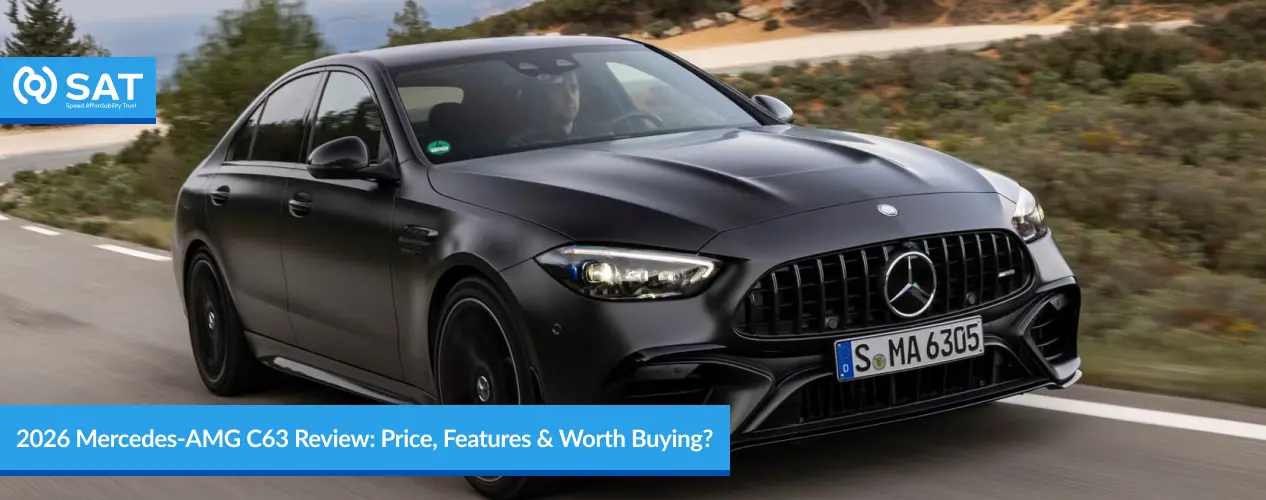
This 2026 Mercedes-AMG C63 Review finds a very fast and technically impressive sedan held back by its weight and limited steering feel. This car is a genuinely stunning piece of engineering, and no, it still isn't the best driver's car in its class. That's a strange thing to say about something with a 671-hp hybrid system that hits like a train, with savage speed, instant passing power, and strong grip in bad weather. But all of that comes at a cost, and the cost is weight.
You feel it on broken roads. You feel it in quick changes in direction. You feel it in the exact moments when the steering should be telling you something and just isn't.
The V8 is gone. A turbocharged 2.0-liter four-cylinder and a rear electric motor now do the job eight cylinders used to.
This version is nearing the end of its run. Mercedes-AMG has confirmed that the four-cylinder hybrid C63 will be replaced by a non-hybrid inline-six C53.
Power was never the issue. 671 hp and 752 lb-ft give it a startling launch and overtaking punch.
It isn't cheap. US pricing starts at $88,000, and published UK figures put the saloon at £97,530 and the estate at £99,280.
Weight shapes everything about this car. The grip is immense, but a curb weight close to 4,800 pounds makes it feel busier and less natural than its closest rival.
That rival is still the safer buy for most people. Get this one for the tech and the force. Get the rival for the steering, the balance, and an engine that's simply more convincing.
Category | Details |
Starting price | $88,000 in the US |
Engine | 2.0-liter turbo four-cylinder hybrid |
Power | 671 hp and 752 lb-ft |
0-60 mph | 3.3 seconds |
Top speed | 168 mph in testing |
Drivetrain | All-wheel drive |
Electric range | 7 miles officially |
Best for | Drivers who want strong acceleration, AWD grip, and cabin technology |
Main drawback | Its 4,817-pound weight affects steering feel and balance |
Overall rating | 6.5/10 |
Quick Answer: The 2026 Mercedes-AMG C63 is extremely fast and technically impressive, but its weight and limited steering feedback stop it from being the best driver’s car in its class. Mercedes-AMG is also phasing out this four-cylinder hybrid version and replacing it with an inline-six C53.
Older C63s were never subtle. You pressed the starter, heard the V8 clear its throat, and you knew exactly what the car was about before you'd rolled an inch. This one takes a bit more explaining.
Its full name is the Mercedes-AMG C 63 S E Performance 4MATIC+. Behind that badge is a hand-built four-cylinder engine, an electric turbocharger, a rear-mounted motor, a small high-performance battery, a nine-speed automatic transmission, all-wheel drive, rear-wheel steering, and adaptive suspension. It's a lot.
Mercedes has essentially turned a compact sedan into a rolling power station, and the result is 671 hp, 752 lb-ft, a claimed 3.3-second run from 0 to 60 mph, and 4,817 pounds of curb weight. All four figures are real, and together they explain almost everything good and frustrating about this car.
Where It Stands: Put your foot down, and the engineering feels worth every dollar. Find a twisting, uneven road, though, and you start wondering whether AMG solved a problem of its own making.
Powertrain changes: None
New standard feature: Digital Vehicle Key
Pinnacle trim update: MBUX Entertainment Plus
Other updates: Revised trim, wheel, and appearance choices
Recall: Check NHTSA campaign 26V281 by VIN
The 2026 C63 keeps the same four-cylinder hybrid powertrain, output, transmission, AWD system, battery, adaptive suspension, and rear-wheel steering.
The main equipment update is the Digital Vehicle Key, which is now standard and allows a compatible smartphone to lock, unlock, and start the vehicle. The Pinnacle trim also gains MBUX Entertainment Plus, while revised center-console trim and wheel choices provide smaller visual updates.
Several no-cost 19-inch wheel choices remain available, with larger 20-inch wheels offered as an option. However, none of these updates address the car’s biggest weakness: its 4,817-pound curb weight.
There's also a recall worth knowing about. NHTSA campaign 26V281 covers certain 2024 to 2026 Mercedes-Benz models, including the C-Class. Software in the infotainment control unit can trigger repeated system resets while the car is moving, and during that reset, the instrument display can briefly go blank for driving information. Dealers are supposed to fix it with a free software update, though you'll want to check the VIN through the NHTSA recall lookup first, since the recall only applies to specific production ranges, not every car wearing the badge.
Final Verdict: The 2026 model doesn't fix the weight problem, and it doesn't bring the V8 back. What it gives you is one more year to decide if the new personality works for you.
Expert Tip: Ask for a printed recall-status report before you take delivery. "It should be updated" isn't proof the work actually got done.
Yes. Mercedes-AMG has confirmed that the current four-cylinder plug-in-hybrid C63 will be phased out.
The model will be replaced by a new C53 using a non-hybrid 3.0-liter turbocharged inline-six. The engine will be related to the unit used in the Mercedes-AMG CLE 53, although Mercedes-AMG has not yet confirmed the final horsepower, price, weight, or complete specifications.
This does not mean the V8 is returning. AMG is instead moving away from the four-cylinder plug-in-hybrid setup and returning to a more traditional six-cylinder performance engine.
Buy the 2026 C63 if you specifically want its 671-hp hybrid system, instant electric response, AWD traction, and unusual performance technology.
Consider waiting if you prefer a six-cylinder engine and a non-plug-in powertrain. The final specifications of the upcoming C53 have not yet been announced.
Where It Stands: Buying the 2026 C63 means buying the final version of AMG’s four-cylinder hybrid experiment. That makes it unusual, but it does not guarantee stronger resale value.
US starting price: $88,000
Earlier UK saloon price: £97,530
Earlier UK estate price: £99,280
AWD six-cylinder rival: $88,600
US pricing starts at $88,000 before destination charges, taxes, and options. That's Mercedes' own listed number for the C 63 S E Performance sedan.
Published UK pricing has the saloon at £97,530 and the estate at £99,280, though those figures reflect an earlier UK specification. Current Mercedes UK pages show Night Edition Premium Plus models instead, so your actual order price may land somewhere else once trim and current offers are factored in.
Model | US Starting Price | Drivetrain |
2026 Mercedes-AMG C63 S E Performance | $88,000 | AWD |
Six-Cylinder Rival (RWD) | $83,500 | RWD |
Six-Cylinder Rival (AWD) | $88,600 | AWD |
Manual-Gearbox Rival | $64,195 | RWD |
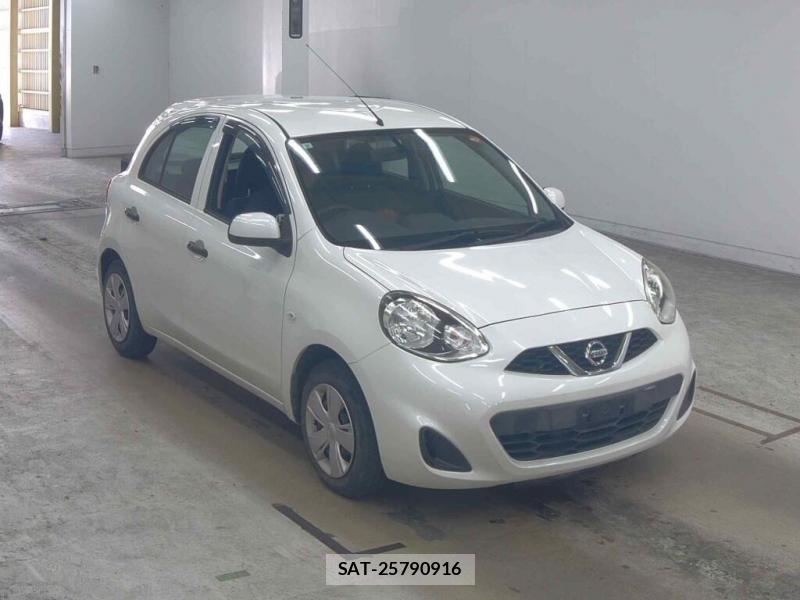
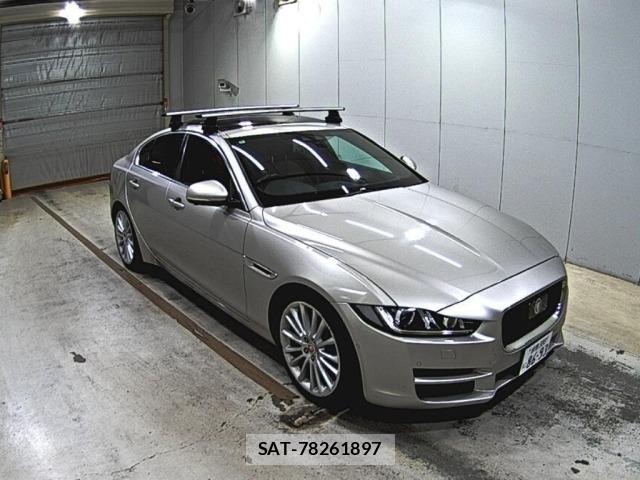
Buyers considering a lower-priced option can also check this used Mercedes-Benz C-Class listing available through SAT Japan. The all-wheel-drive version of the six-cylinder rival costs just $600 more than the Mercedes, which makes for a fair fight: four doors, automatic transmissions, AWD traction, and roughly matching claimed acceleration on both sides.
Then there's the manual-gearbox rival, which changes the whole conversation. It starts about $23,800 below the C63 and still gives you 472 hp, rear-wheel drive, magnetic dampers, and a standard six-speed manual. It feels less expensive inside because it is less expensive. What catches you off guard is how little that ends up mattering once the road turns interesting.
The C63 does pack in a lot of pricey hardware as standard: rear-wheel steering, adaptive suspension, the hybrid drive unit, an electric turbocharger, and a cabin full of screens. Even so, it doesn't take ticking many boxes to push it past $100,000, and none of those boxes make it a better driver's car.
Where It Stands: Against the six-cylinder rival, the Mercedes is priced fairly. Against the manual-gearbox rival, it needs its badge and its tech to do a lot of talking.
Engine: Hand-built 2.0-liter turbo four-cylinder
Electric motor: Rear-mounted 150kW unit
Mercedes C63 horsepower and torque: 671 hp and 752 lb-ft
Transmission: Nine-speed AMG SPEEDSHIFT MCT
Battery: 6.1kWh
Calling it "a four-cylinder hybrid" undersells the whole setup. The petrol engine drives through a nine-speed AMG SPEEDSHIFT MCT transmission, and its turbocharger carries its own small electric motor that spins the compressor before exhaust pressure has even built up. That's exactly what kills the lazy pause you'd normally get from a big turbo engine.
A separate 150kW electric motor lives near the rear axle, with its own two-speed transmission, pulling from a 6.1kWh battery. From there, the AWD system shuffles power between the axles based on grip, driving mode, and how hard you're leaning on the throttle.
The battery is deliberately small; AMG never built this for electric-only commuting. Its job is to dump energy fast, soak up strong regenerative charging, and repeat that cycle without overheating, and direct liquid cooling keeps the individual cells in a workable range.
So what happens once the displayed charge hits zero? The good news is the car doesn't just lose its electric motor and turn into a heavy four-cylinder C-Class. The petrol engine and regenerative braking keep the battery topped up, and in the faster drive modes the system actively holds back charge for another hard burst.
You notice this most during an overtake. Bury the pedal at 40 mph and the electric motor answers before the engine's even finished building boost. There's no gentle ramp-up. The car just lunges, then keeps pulling.
The four-cylinder itself has real muscle too. It revs cleanly, responds fast, and makes a slightly absurd amount of power for its size. What it doesn't do is give you that warm, heavy sound that used to separate the old C63 from everything else in this class.
Where It Stands Out: AMG traded a simple pleasure for a brilliant technical answer. Whether that's progress depends entirely on what you loved about this car in the first place.
Claimed 0-60 mph: 3.3 seconds
Fastest tested 0-60 mph: 3.1 seconds
European 0-62 mph claim: 3.4 seconds
Mercedes-AMG C63 top speed: 168 mph in testing
It is properly fast, not just fast for a sedan. Mercedes claims 3.3 seconds to 60 mph, with the European 0-to-62 figure sitting at 3.4 seconds.
Source | Acceleration Result |
Mercedes-Benz USA | 0-60 mph in 3.3 seconds |
European manufacturer claim | 0-62 mph in 3.4 seconds |
Independent road test | 0-62 mph in 3.4 seconds |
Independent road test | 0-60 mph in 3.1 seconds |
The launch is almost too clean. AWD barely gives the tires a chance to waste anything, and the electric motor fills the gap before the petrol engine is even at full force. It's a hard shove, quick gear changes, and suddenly you're doing a speed that's hard to explain to whoever's checking your license.
But the standing start isn't even this car's best trick. It really comes alive once it's already moving. At 50 or 70 mph, electric torque shows up instantly, and the turbo engine just keeps pulling as the speed climbs. Testing has found unusually strong in-gear pace here, including low-rev acceleration that could trouble cars twice its size.
There's one small annoyance hiding in all that ability. In automatic mode, pushing past the kickdown point can drop a gear even when there's already enough torque to pull cleanly from where you are. Manual mode tends to feel better, since it lets the powertrain lean on its low-rev strength.
Top speed came in at 168 mph on the tested car, though the exact limiter can shift depending on market and package. It's worth checking your specific build sheet rather than assuming.
Final Verdict: Nobody's arguing with the speed. What's missing is theatre. A slower car with a better soundtrack can still feel more memorable.
Comfort mode makes it easy and stable for daily driving.
The seats are supportive, the cabin is quiet, and rear space is usable.
The gearbox can hesitate during sudden acceleration.
Electric range is only 7 miles officially and 8.6 miles in testing.
Too many drive settings make the best setup harder to find.
Expert Tip: Save an Individual mode with the engine in Sport, the suspension in Comfort, and the steering set light. Quick response, without making a rough road feel any worse than it already is.
Curb weight: 4,817 lb
Main strength: Huge AWD grip
Main weakness: Limited steering feel
Main rivals: BMW M3 Competition xDrive and Cadillac CT4-V Blackwing
Tremendous grip, but the BMW M3 Competition xDrive and Cadillac CT4-V Blackwing feel more natural once the road starts twisting. Weight is the reason. The US sedan comes in at 4,817 pounds, which is not just heavy next to the old C63, but also heavy next to plenty of larger luxury cars.
AMG throws everything at keeping those pounds in check. Rear-wheel steering helps it turn at lower speeds. The AWD system sends torque wherever the tires can actually use it. Adaptive dampers manage body movement, and wide tires generate enough grip to make the first few corners feel almost effortless.
Handling Area | Mercedes-AMG C63 | BMW M3 Competition xDrive | Cadillac CT4-V Blackwing |
Smooth roads | The car turns in quickly and puts its power down without waiting for the rear tires to settle. | Feels lighter and settles sooner through quick corners. | Feels more responsive and gives the driver more involvement. |
Rough roads | The body takes longer to settle after a crest, while mid-corner bumps make the suspension work overtime. | Settles sooner and changes direction more smoothly. | Its lighter chassis and magnetic dampers cope better with uneven roads. |
Steering | Fast and accurate, but there is not much feedback about what the front tires are doing. | Clearer and more natural. | More direct and communicative. |
Direction changes | The weight of the battery, cooling gear, and hybrid hardware becomes more noticeable. | Feels lighter and more controlled. | Feels more agile and easier to place. |
Driver involvement | Relies heavily on AWD, rear-wheel steering, and adaptive suspension. | Feels more natural despite using AWD. | The manual gearbox and rear-wheel-drive chassis make the driver feel more involved. |
Final Verdict: The C63 has stronger grip, but the BMW M3 Competition xDrive and Cadillac CT4-V Blackwing feel lighter, more natural, and more enjoyable to drive.
US rating: 36 MPGe city and 38 MPGe highway
Battery-depleted economy: About 21 mpg combined
Real-world petrol economy: 26 mpg
Official electric range: 7 miles
Fine for the power on tap. Disappointing for something wearing a plug-in-hybrid badge.
Mercedes lists 36 MPGe city and 38 MPGe highway for the US car, with roughly 21 mpg combined once the usable battery charge runs out.
Real-world testing told a better story: 8.6 miles on electricity, then 26 mpg averaged for the petrol-powered stretch. For a 671-hp car pushing close to 4,800 pounds, 26 mpg is respectable. Eight miles of electric range is not.
The battery tops up in roughly 1.2 hours on a 240-volt supply, which is convenient, though that's partly just a side effect of the battery being small to begin with.
UK Figure | Earlier Published Test Data | Current Mercedes UK Listing |
Combined economy | 38.7 mpg | 31.4 mpg |
Weighted CO2 output | 167 g/km | 205 g/km |
Electric range | About 7 miles | 7 miles |
Benefit-in-kind band | 36% in earlier data | Check current tax-year rate |
If you're a company-car buyer, check the exact version and current tax year rather than leaning on an older road-test figure.
Plugging in helps if your regular trips are genuinely short. It won't turn this into a long-distance economy car; the hybrid system exists mainly to make power, sharpen response, and recover energy for the next hard burst.
Final Verdict: That makes the fuel numbers easier to understand, but not easier to admire.
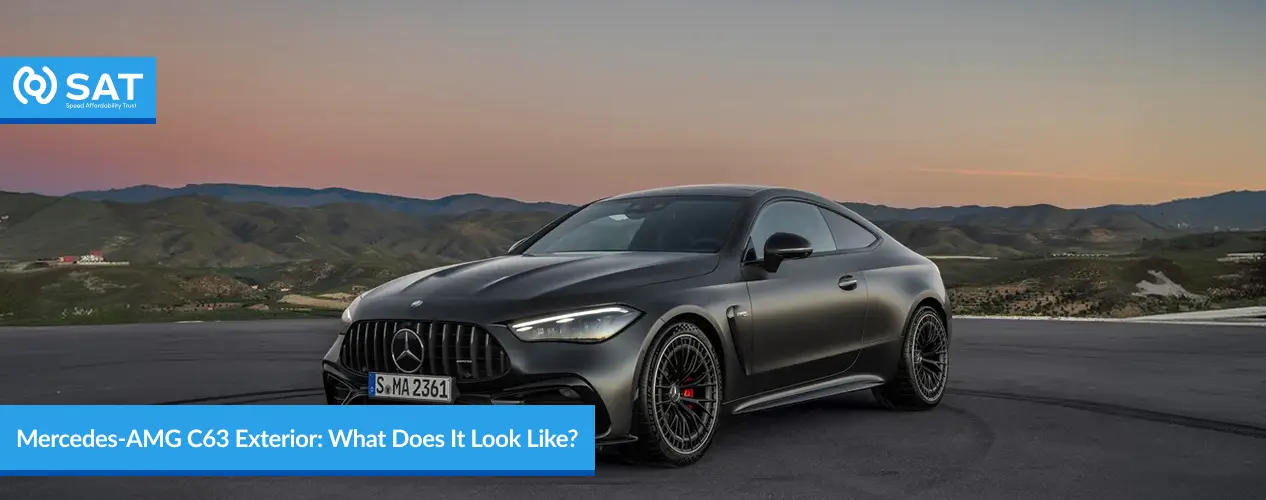
Standard wheels: 19 inches
Optional wheels: 20 inches
US body style: Saloon only
Other markets: Saloon and estate
Muscular, without trying too hard. Up front: the vertical-bar AMG grille, a deep lower bumper, and wider air openings than a standard C-Class. The bonnet has stronger creases, the front arches sit further apart, and small Turbo E Performance badges hint at the complicated machinery hiding underneath.
Side-on, it stays clean, with no huge wing and no random slabs of carbon bolted on for effect. The body's longer and wider than a standard C-Class, but the changes look like they belong.
The bigger wheels fill the arches nicely and photograph well; the 19s leave more sidewall between an expensive rim and an ugly pothole, which matters more after week one of ownership than it does in the showroom.
Round back: four squared exhaust outlets sit inside a dark diffuser, and a small spoiler finishes the boot lid without making the car look like it's headed to a track day every single morning.
The saloon is the only body offered in the US. Other markets also get the estate, which adds a longer roof and a more usable opening, though the hybrid hardware eats into a good chunk of the space you'd expect back there.
Where It Stands Out: The design is one of the safer calls here. Aggressive enough to look special, calm enough to still work outside an office, a hotel, or a family home.
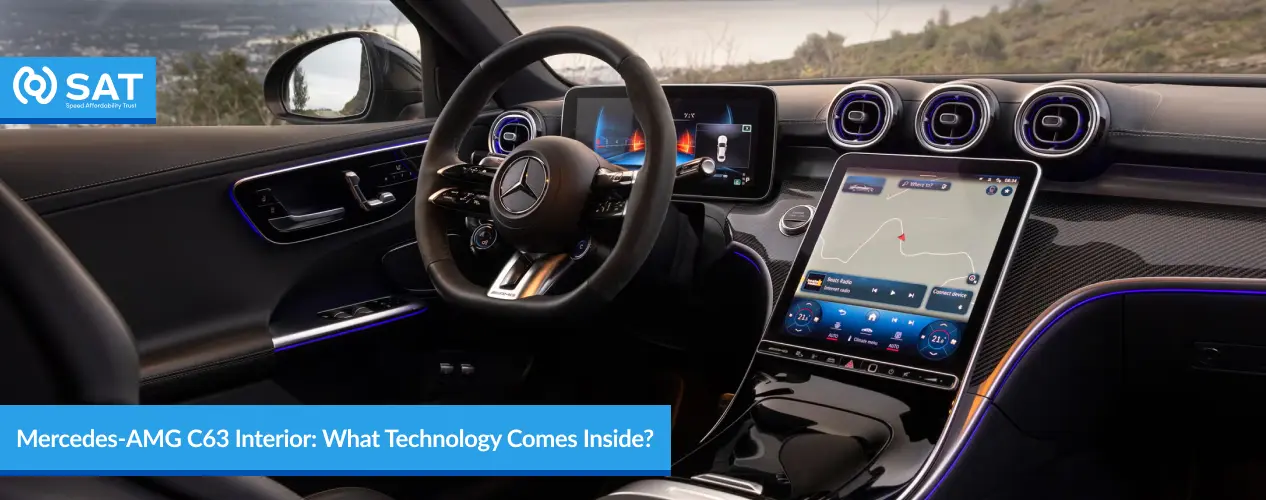
Mercedes C63 technology includes a portrait touchscreen running Mercedes' MBUX system.
It runs navigation, media, phone functions, climate settings, charging data, drive modes, and AMG performance displays.
The screen is bright, fast, and easy to read.
Wireless smartphone mirroring comes standard, and the available surround-view cameras take a lot of the stress out of tight car parks.
The head-up display shows speed, navigation prompts, and selected driving data without asking you to look away from the road.
Glossy touch-sensitive pads stand in for a lot of proper buttons and can change the display by accident.
Climate controls live on the touchscreen, though the temperature strip stays visible instead of getting buried in a submenu.
Final Verdict: The cabin proves good software can't paper over every bad control decision. MBUX earns its keep. The touch-sensitive wheel stays annoying long after you've learned to work around it.
IIHS award: Top Safety Pick
Standard pedestrian system: Acceptable
Upgraded pedestrian system: Good
Recall check: Instrument-display software
It has a strong safety foundation, though it is worth noting that the crash testing covered the wider C-Class family rather than the C63 on its own.
The 2026 Mercedes-Benz C-Class earned an IIHS Top Safety Pick award, with Good ratings across the small-overlap front, updated moderate-overlap front, and updated side tests. Those results apply to relevant 2022 to 2026 C-Class models, depending on the specific test.
Mercedes includes or offers a wide range of assistance features:
Automatic emergency braking
Blind-spot monitoring
Rear automatic braking
Parking sensors
Surround-view cameras
Lane-departure assistance
Adaptive cruise control
Cross-traffic assistance
The standard pedestrian crash-prevention system earned an Acceptable rating, while the upgraded version bundled into the Driver Assistance Package scored Good and performed better across several day and night tests. That package is worth having, though it raises an obvious question. Why does the stronger safety system cost extra on an $88,000 sedan?
The instrument-display recall from earlier belongs in this conversation too. A blank screen can briefly wipe out speed and other driving information, so affected cars need that update whether or not the issue's ever actually shown up on a test drive.
Final Verdict: The structure holds up well, and the available safety systems are genuinely strong. Mercedes just keeps some of the best of them locked behind an option box.
US sedan cargo space: 11.6 cu ft
C63 estate: 320 liters
C300e estate: 360 liters
Non-hybrid C-Class estate: 490 liters
11.6 cubic feet in the US sedan, enough for daily shopping, a few soft bags, or a weekend away for two. The opening's useful, though the hybrid gear does eat into the space behind the rear seats.
C-Class Version | Cargo Capacity |
US C63 sedan | 11.6 cu ft |
C63 estate | 320 liters |
C300e estate | 360 liters |
Non-hybrid C-Class estate | 490 liters |
Only 320 liters with the rear seats up: 40 liters behind the plug-in hybrid estate, and 170 behind a non-hybrid C-Class estate. The rear drive unit raises a section of the floor, and there's no proper underfloor spot for the charging cable either. This isn't a minor issue. People buy an estate because they need the room, and this one gives away a big chunk of that advantage before you've loaded a single bag.
Rear seating fares better. Adults fit comfortably in the second row, the doors open wide, and there's enough legroom for normal family use, though the bulky front seats keep the back from feeling as open as the wheelbase suggests.
For a broader look at cabin space, practicality, and ownership costs, read our Mercedes A-Class vs C-Class comparison.
Final Verdict: The sedan has enough room for ordinary life. The estate wears the right shape but doesn't deliver the capacity that shape promises.
Model-specific rating: Not available
Basic warranty: 4 years/50,000 miles
Hybrid coverage: 6 years/62,000 miles
Best approach: Buy new or nearly new with warranty
Mercedes-AMG C63 maintenance cost: No model-specific average is available yet
Honestly, there isn't enough long-term evidence yet to give the current hybrid version a real score. That "4 out of 5, ranked 20th of 68" figure floating around online doesn't apply here. Some sites do list the luxury midsize class average at 3.5 out of 5, but that's class-wide, not specific to this car.
Measure | Luxury Midsize Class Average |
Annual repair cost | $739 |
Unscheduled workshop visits | 0.59 per year |
Chance of a severe repair | 12% |
None of that predicts what's coming for this specific car. It can't tell you what an electric turbocharger, a rear electric motor, a high-voltage battery, an active rear-steering system, or a two-speed electric transmission will cost to keep healthy years down the line. More complexity doesn't automatically mean less reliability. It does mean more expensive systems that all need to keep working at once.
US warranty coverage is more useful than guesswork here. Mercedes covers four years or 50,000 miles on the basics and drivetrain, with hybrid-component protection running six years or 62,000 miles. Some states offer longer emissions-related coverage on top, so check the warranty booklet and your registration state before buying.
Final Verdict: The sensible move is buying new or nearly new and holding onto strong warranty coverage. This car might turn out reliable; it's just too new and too complicated to promise that with any real confidence yet.
Expert Tip: A used C63 needs a Mercedes diagnostic scan, proof of software updates, a recall check, full service records, and a careful tire inspection. A clean body and low mileage tell you nothing about whether every hybrid system underneath is actually healthy.
Early used listings provide some indication of depreciation, but they do not prove long-term reliability.
Used 2024 hybrid C63 examples have appeared with asking prices ranging approximately from the low-$70,000s to the low-$80,000s, depending on mileage, options, warranty coverage, and vehicle history.
These are advertised prices rather than confirmed sale prices. Buyers should compare each car’s asking price with its original window sticker because heavily optioned examples may have cost considerably more than the $88,000 base price when new.
Older C63 owner reviews should also be treated separately. Positive experiences with previous V8 generations do not prove that the battery, rear motor, electric turbocharger, and electric transmission in the current model will have the same reliability record.
Power advantage: Mercedes-AMG C63
Weight and steering advantage: BMW M3
AWD price difference: $600
Clear winner: BMW M3 Competition xDrive
The BMW M3 Competition xDrive is the better all-round performance sedan. The C63 hits harder on paper, but the BMW feels lighter, clearer, and easier to enjoy.
Specification | Mercedes-AMG C63 | BMW M3 Competition | BMW M3 Competition xDrive |
Engine | 2.0L turbo I4 hybrid | 3.0L twin-turbo I6 | 3.0L twin-turbo I6 |
Power | 671 hp | 503 hp | 523 hp |
Torque | 752 lb-ft | 479 lb-ft | 479 lb-ft |
Drivetrain | AWD | RWD | AWD |
Claimed 0–60 mph | 3.3 sec | 3.8 sec | 3.4 sec |
Starting US price | $88,000 | $83,500 | $88,600 |
Approximate curb weight | 4,817 lb | About 3,890 lb | About 3,990 lb |
Mercedes wins the power argument with 148 hp and 273 lb-ft more than the BMW M3 Competition xDrive. The electric motor also gives it a harder first punch from medium speeds.
The BMW settles faster after bumps, gives clearer steering feedback, and feels lighter through corners. Its six-cylinder engine also sounds richer as the revs climb.
Go for the C63 if you want the stronger powertrain, instant low-rev shove, and hybrid hardware. Go for the BMW M3 Competition xDrive if you want similar all-weather pace with better balance and clearer steering.
Clear Winner: BMW M3 Competition xDrive. It costs almost the same, remains extremely quick, and is more rewarding to drive.
For a wider brand-level comparison, read our BMW vs Mercedes comparison.
C63 power: 671 hp
CT4-V Blackwing power: 472 hp
C63 advantage: AWD, faster launch, cabin tech
CT4-V advantage: Manual gearbox, lower weight, sharper steering
Price difference: $23,805
Weight difference: Nearly 1,000 lb
C63 starting price: $88,000
CT4-V starting price: $64,195
Clear Winner: Cadillac CT4-V Blackwing. It is lighter, cheaper, more engaging, and offers better performance per dollar.
The Alfa Romeo Giulia Quadrifoglio is worth considering as a used alternative rather than a direct new-car rival. Its 2.9-liter twin-turbo V6 produces 505 hp and sends power to the rear wheels.
The Alfa has less power and no AWD, but it is roughly 1,000 pounds lighter than the C63. That lower weight gives it sharper steering, more natural balance, and stronger driver involvement.
Choose the C63 for acceleration, AWD traction, cabin technology, and daily usability. Choose the Giulia Quadrifoglio if lower weight, steering feel, and V6 character matter more.
Important: US buyers will generally be comparing the new C63 with a used Giulia Quadrifoglio because the Alfa is no longer a direct new 2026 rival.
Pros | Cons |
671 hp and 752 lb-ft give it savage acceleration | Its 4,817-pound curb weight hurts agility |
Electric torque makes overtaking almost effortless | The four-cylinder sound lacks old C63 drama |
AWD gives it excellent traction in poor weather | Steering feedback is limited |
MBUX and the head-up display work well | Touch controls make easy tasks harder |
Comfort mode makes long trips manageable | Electric range and estate boot space are weak |
Best for: Tech-focused daily-performance buyers
Works well for: Wet or cold climates
Avoid if: Steering feel and engine character matter most
Wrong fit for: Buyers chasing the old V8 personality
Someone who finds the engineering just as interesting as the driving. It suits a buyer who wants huge acceleration but still needs four doors, a genuinely usable back seat, and a calm motorway cruiser. AWD makes sense if you're somewhere wet or cold, and the hybrid system gives instant response instead of making you wait around for a big engine to find its sweet spot.
It doesn't sound like an old AMG. It doesn't feel light. The electric range won't transform your commute, and the estate isn't as roomy as its shape suggests.
Pick a rival if steering, balance, and engine character top your list. Pick the value-focused rival if you want a manual gearbox, a lower price, and a car that feels alive without needing 671 hp to get there.
Final Verdict: This car is built for a tech-forward daily-performance buyer. Anyone hunting for a modern version of the old V8 car is looking in the wrong showroom.
Availability: Confirm through live inventory
Support: Search, documents, and shipping
Final cost: Depends on destination and vehicle
Before payment: Get a confirmed landed-cost quote
SAT Japan can help international customers search Japanese used-car listings, walk through the purchase process, sort out export documents, and arrange shipping to supported destinations. The exact services, inspection rules, taxes, port charges, and delivery costs all depend on the destination and the specific vehicle.
An exact 2026 Mercedes-AMG C63 S E Performance should only be treated as available once it actually shows up in live inventory or SAT Japan confirms the listing directly, since rare AMG models can come and go from Japanese stock fast.
Final Verdict: Check SAT Japan's new Mercedes-Benz listings and get a confirmed landed-cost quote for the exact 2026 Mercedes-AMG C63 before you pay for anything.
Final rating: 6.5/10
Best qualities: Speed, technology, and AWD confidence
Biggest problems: Weight, steering feel, and engine character
Best alternative: BMW M3 Competition xDrive
Yes, for a specific kind of driver. Just not the strongest all-round choice in this class.
The achievements are real. It delivers supercar acceleration from a practical four-door body, finds grip in filthy weather, covers long distances without beating up its occupants, and packs one of the most interesting hybrid systems fitted to any modern sports sedan. That should be enough. Somehow, it isn't quite.
All that extra machinery pushes the weight close to 4,800 pounds. The steering tells you less than it should, the suspension has to work overtime on rough roads, and the engine note never quite matches the aggression the body promises. The tiny electric range doesn't do much to justify itself as an economy feature either.
Independent reviewers scored it in the low-to-mid 6-out-of-10 range, which makes a lot more sense once you separate straight-line performance from driver involvement.
For most people, the all-wheel-drive six-cylinder rival is the smarter buy. It's nearly as quick, meaningfully lighter, and more satisfying through a corner. The manual-gearbox rival is the emotional pick, especially with that gearbox and the much lower price tag.
Here's the whole point of this review: buy this car for its force, its technology, its AWD confidence, and its slightly mad engineering. Don't buy it expecting the old C63 with a battery bolted on. AMG built something new, clever, and shockingly fast here. It just didn't build the best C63.

What Can Cause a Vehicle to Skid? Causes and Prevention

Understanding FlyWheel: Functionality and Applications

How Many Liters of Fuel Does My Car Hold? Importance of Fuel Tank Capacity

Lucas Morgan
I am Lucas Morgan, an experienced automotive journalist with 19 years reporting on the latest advancements in the car industry. My thorough investigations and dedication to sustainability inform my work. I frequently publish in top journals and present at notable industry conferences.
No, the 2026 C63 does not have a V8. It uses a hand-built 2.0-liter turbocharged four-cylinder engine, a rear electric motor, and a 6.1kWh performance battery.
The 2026 Mercedes-AMG C63 produces 671 hp and 752 lb-ft of torque, which is higher than both of its closest rivals.
Mercedes claims 0 to 60 mph in 3.3 seconds. Independent testing has recorded times as low as 3.1 seconds, and separately matched the European 3.4-second 0-to-62 mph claim.
Slightly, by the official figures: 3.3 seconds to 60 mph for the Mercedes versus 3.4 seconds for the all-wheel-drive version of its rival.
The 2026 C63 starts at $88,000 in the US before destination charges and options. Earlier UK pricing listed £97,530 for the saloon and £99,280 for the estate, although current trim prices may differ.
The US car is rated at roughly 37 MPGe while using petrol and electricity, with about 21 mpg combined after the usable battery charge is depleted. Real-world testing found 8.6 miles of electric range and 26 mpg during the petrol-powered part of the route.
There is not enough long-term evidence to give the hybrid C63 a dependable reliability score. Some sites leave the model unrated because it does not have enough statistically useful repair data.
Yes, the C63 works well as a daily driver if you can accept its firm ride and complicated controls. It has supportive seats, usable rear space, AWD traction, a quiet cabin, and a comfortable road setting.
Yes. Mercedes-AMG has confirmed that the current four-cylinder plug-in-hybrid C63 will be phased out and replaced by a new inline-six C53. A final production date for the current C63 has not yet been announced.
Mercedes-AMG has not officially confirmed a 2027 C63. The company has instead confirmed that the current four-cylinder model will be replaced by a new C53 using a non-hybrid turbocharged inline-six. Final pricing, power, model-year details, and availability have not yet been announced.
_1733298329.webp)
The Hyundai Palisade has been one of the most favored family cars in the petrol-head community. The Palisade has been known to blend style, efficiency, agility, and performance, all in one car. Coming in 7 different trims, with 4 diverse driving modes, this vehicle holds the solutions to all your adventure troubles, with a comfortable cabin, ample cargo space, and an innovative infotainment system. Moving into 2025, the 2025 Hyundai Palisade is introduced with some fresh updates making the SUV even more favorable for drivers.
Written below are all the incoming updates and changes to the 2025 Hyundai Palisade.
The 2025 Hyundai Palisade has a 3.8 Liter V6 engine that is paired with an 8 speed automatic transmission which delivers an output of 291 horsepower. This vehicle’s powertrain also features a manual control option for the transmission to give the driver more control. All trims come with a front-wheel drive, with an optional all-wheel drive upgrade to kick things up a notch.
The 2025 Hyundai Palisade’s 0-60 miles per hour driving time was tested to be 6.4 seconds, which is impressive for an SUV its size. Additionally, the front wheel drive Palisade has a fuel-economy of 19 mpg in the city and 26 mpg on the highway.
This three-row SUV is one of the most stylish of its kind; with a bold cascading grille, flanked by powerful and elongated LED lights, and sharp lines throughout the exterior for aerodynamic manipulation. The Palisade has a muscular stance giving it a sporty and intimidating look. The Palisade also comes with convenient exterior features such as a power liftgate, additional roof rails, folding third-row seats, and a panoramic sunroof.
The 2025 Hyundai Palisade has an opulent interior with a spacious cabin lined with the finest materials. The interior has a 12.3-inch touchscreen display featuring a dynamic digital cluster, Android Auto, Apple CarPlay, a premium sound system, dual Bluetooth connectivity, and an innovative remote controlling feature by the Hyundai Blue Link app, which gives you lock control from a distance.
The new model of the 2025 Hyundai Palisade has a starting price of $38,215 and it goes all the way up to the highest trim costing $55,515. The base trim, the SE model costs $38, 215; the second SEL model costs $40,965. The XRT trim comes in at about $44,065 while the SEL Premium trim costs $45,565. The Limited trim of the 2025 Hyundai Palisade costs $49,615 and the Caligraphy model costs $52,015. Last but certainly not least, the Calligraphy Night Edition of the Hyundai Palisade costs $55,515.
The 2025 Hyundai Palisade will be featuring 4 diverse driving modes including comfort, Eco, Sport, and Smart driving modes for an optimized and engaging drive:
Comfort: The comfort mode is set to deliver a seamless and smooth driving experience. The suspension and transmission are tuned for daily commuting driving.
Eco: The Eco mode in the 2025 Hyundai Palisade prioritizes the engine’s fuel efficiency, This mode may not deliver the most powerful performance, but the powertrain is adjusted to consume the least amount of gasoline for the more long-lasting output. This keeps the fuel economy high and decreases fuel costs.
Sport: The Sport mode focuses primarily on the speed and performance of the 2025 Hyundai Palisade. The steering and powertrain are tuned to create the maximum output while maintaining the vehicle’s agility.
Smart: The Smart driving mode is an intuitional setting that analyzes your driving style and switches the driving mode accordingly, giving you maneuverability and balance. This driving mode essentially also helps in fuel efficiency.
In comparison to other latest models, the 2025 Hyundai Palisade is relatively more affordable to maintain. The annual repair and maintenance cost for this vehicle begins at $352 and rises every year because of depreciation and can reach up to $739 in the first five years after purchase. Additionally, with high fuel efficiency, annual fuel costs are calculated to be up to $2,380 per year. All-in-all, you can rest assured that the 2025 Hyundai Palisade has a low maintenance and upkeep cost. Here are some factors contributing to this:
Hyundai Durability: Hyundai, like most other Japanese automakers, has a business model of constant improvement and innovation. These vehicles are engineered to be optimized for long-term usage. This rhombus engineering keeps your 2025 Hyundai Palisade away from the mechanic for a long while.
Expected Maintainance: You can rest assured that even if you were to take your Palisade to the mechanic, it would be out of routine, rather than from an unexpected mechanical breakdown. Routine check-ups such as oil changes and tuning will help maintain the longevity of your vehicle.
Visit Now 2025 Hyundai Elantra.
SAT Japan is the ultimate destination for those searching for well-maintained and certified Used Cars for Sale. We offer impressive deals on a wide range of luxury and economy vehicles. Our expert staff on board is dedicated to your ease and our customer-centric services will make the entire process unbelievably simpler. Our convenient services such as our insurance services, 24-month installment payment plan, and doorstep delivery, keep our customers stress-free. We recognize our responsibility to present the best course of action according to your preferences.
Although there are no revolutionary switch-ups in the design or performance of the 2025 Hyundai Palisade, it is one of the most reliable upcoming full-size SUVs in the automotive market. It is no easy feat searching through the endless sea of options to reach a final decision. Our expert staff and customer-centric services at SAT Japan help you make the right decision at every step of the purchasing process. Hence, SAT Japan is the ultimate car enthusiast website where you can find a plethora of well-maintained options for your potential next ride. Head on over to SAT Japan’s website and scroll through our vast inventory to find the perfect Hyundai car for you.

The modern cars coming in the market are capable of remarkable speeds and give you a highly smooth and comfortable experience. The latest cars are also much safer and come up with advanced and autonomous systems that can stop and steer the vehicle for you in an emergency. However, all the safety and advanced features will not do anything if you have bad tires. For example, inside tire wear is an issue that can affect the tires of many cars rolling on the road. It is not just about purchasing low-quality tires; it is also about not ensuring their proper maintenance.
Tire wear is a common problem that can affect your vehicle’s handling, safety, and performance. Although inner tire wear might seem harmless, it can lead to various serious issues, including reduced traction, poor steering response, and even blowouts.
But why do tires wear out from the inside, and how can you prevent it?
By understanding the factors that contribute to inner tire wear, you can increase the life of your tires and keep them performing at their best.
There are several reasons why your tire can wear from the inside. Below we discuss some of the reasons in detail.
Misaligned wheels can lead to irregular tire wear. When the bottom part of the tire is leaning towards the outside, it is called a negative camber. Positive camber is when the top part of the tire is leaning towards the outside.
When there is improper alignment in the tires, the inner part of the tire makes more contact with the road surface. Because of that, you might observe the inside of the front tires wearing down.
Poor wheel alignment can also mess up your camber. You can verify this by cruising on a flat section of asphalt. If your vehicle is not moving straight even after pointing the wheels at a 12 o’clock position, it means your wheels are not aligned properly.
Driving your vehicle aggressively puts a lot of stress on your tires. It can also overheat various components of the tires and wear the thread at a faster pace because of abrasion. Aggressive riding includes running your vehicle at maximum acceleration, hard cornering, and pushing brakes for prolonged periods. Tire wire showing is an indication of your tires being severely damaged.
It is essential to note that, unlike race cars, standard vehicles are not designed to be driven aggressively all the time. The tires in race cars are specifically designed to give maximum gain and resolve steering on the road. However, other tires cannot keep up with constant beating from drifting and fast driving.
For more insights into premium tire options, check out our detailed comparison: Bridgestone vs. Michelin Tires.
The suspension components of a vehicle are designed to not only absorb road shocks and vibration but also to make sure that the vehicle’s shock ride height remains the same. It is important because camber angles are directly affected by it, and it can increase inside tire wear.
Suspension components such as springs can sag through regular use. Faulty or defective springs fail to absorb shocks and vibrations, which can damage other suspension components of the vehicle as well.
Also, the defective spring can lower the vehicle’s stock ride height, which can change the camber angles.
These components are made of rubber or elastomer and serve to link the chassis and steering knuckles. These bushings eliminate excess free movement within the vehicle, which can have a negative effect on camber angles. As a result of frequent use, the control arm bushing wears down gradually, leading to increased movement and more tire wear on the inside.
It is crucial to fix the inner tire wear to avoid further damage to the vehicle’s components, such as ball joints and springs, and ensure more safety.
Get your wheel balanced after every one or two years. If you have installed new tires in the vehicle, you should get them balanced immediately to protect them from wearing out.
If you notice uneven tire wear, check your suspension system. Damage to the suspension system can accelerate the inner tire wear, resulting in future problems such as a decrease in vehicle speed and expensive repairs.
Innerwear on tires occurs when the driver does not maintain their tires regularly. Just like your vehicle, your tires require extra care to give you a safe ride.
Regularly check the tire pressure of your vehicle. It is an important practice because understated tires can cause the sidewall to flex, which can lead to instability at higher speeds. Also, underinflation can cause other problems, including cracked rubber, tread separation, bulges, and more. If the tires are overinflated, they can bulge in the center, causing increased wear in that area.
Therefore, it is preferable to check the tire pressure once every month, especially after large temperature changes.
If you notice damage on any of the suspension components, it is important to get your vehicle inspected by a professional mechanic. Doing that will resolve the issue and your car will also stay safe.
Tire wearing on the inside can also occur as a result of overloading. It is important to adhere to the vehicle weight limits mentioned by the manufacturers. Overloading includes passing extra passengers, carrying excessive cargo, or towing large tailors, which can put stress on the components of the tire.
Tires wearing on the outside and inside can seriously affect the handling and safety of your vehicle. You can avoid internal tire damage with a routine inspection of your suspension system and alignment and by taking proper care of your tire. It is also important to get your vehicle inspected by a professional mechanic every once in a while.

There are a lot of parts that go into making your vehicle run fast and look its best. The engineers have spent years and years tuning car emission systems to personalize the sound a vehicle makes when it’s on the road. However, when it comes to riding, not everyone wants to have a quiet ride, and for that, you can modify your vehicle’s straight pipe exhaust system and alter the sound your engine produces.
A very exciting modification for car owners currently is the straight exhaust system, particularly for people who want to improve the performance of their ride. One reason car owners choose it is its greater functionality in compression compared to stock exhaust. The reduced backpressure supports greater functionality, resulting in increased engine performance.
If you are wondering if a straight-pipe exhaust system is right for you, keep reading to learn the pros and cons of installing one in your vehicle.
Straight pipe exhaust is becoming one of the most common modifications among car fans who enjoy the roar of their engine along with the additional power of their vehicles. Unlike standard exhaust systems, straight-pipe exhaust systems do not have a resonator, muffler, or catalytic converter. You can witness this type of exhaust in racing cars and other high-performance vehicles.
The exhaust system allows the fumes to flow freely from the engine’s exhaust headers, allowing them to go into the atmosphere directly through the exhaust tip. They increase the horsepower of your engine because there are no restrictions on the exhaust, and the gases to flow freely.
Explore our in-depth guide on the straight pipe exhaust system to enhance your car's performance and sound quality.

There are many reasons for considering a straight pipe exhaust for your vehicle, including:
Increased Performance
The prime reason why many people choose straight pipe exhaust is because these systems increase your vehicle’s horsepower and torque. These systems also reduce the back pressure from the engine, allowing the exhaust gases to move freely and assisting the engine to perform without any hindrances. This mode is particularly designed for sports vehicles as it does not hinder gas flow and enhances the car’s performance.
Engine’s Original Sound
The straight pipe lets the true sound of the engine come out. Normally, there are mufflers, catalytic converters, resonators, and other similar components present to reduce the sound of the engine. However, straight pipe exhaust allows the raw and pure sound of the engine to come out.
Less Weight
When a vehicle’s weight is reduced, it becomes faster and more efficient. Mufflers and catalytic converters weigh a lot, and if you love racing, you surely would want to have a lighter vehicle. A straight pipe exhaust weighs much less than the original exhaust.
Aesthetic Appeal
Straight pipes also give an aesthetic look to your vehicle and make it stand out. To make the vehicle look more appealing, you can apply a chrome finish to the exhaust tip. To give additional colors to the tip, various types of welding methods are used. You can even go for a twin-pipe setup for even better aesthetics.
Remarkable Fuel efficiency
Without mufflers and a catalytic converter, the engine creates low back pressure, leading to better combustion. This also means lower fuel consumption.
Straight-pipe exhaust systems also have their own cons, including:
Rampant Emissions
It’s true that straight pipes make a remarkable sound, but they are not great for the environment. In the late 20th century, catalytic converters came into the market to control the harmful gas emissions from cars into the environment. Removing catalytic converters can be really bad for the environment.
Expensive
Installing straight pipes can be expensive. New pipes are not cheap, and finding them at a good price is not easy, so most car enthusiasts go for custom-built exhaust pipes. Also, after installing a straight pipe exhaust system, you have to tune your car according to certain standards to get the most out of it.
It Might Not be Legal
Modifying a vehicle to a straight-pipe exhaust system and removing mufflers and catalytic converters is not legal in many states in the US. However, it varies from state to state. Therefore, before installing an exhaust pipe in your exhaust, you should go through your state’s rules.
Effects Resale Value
Customizing your vehicle can also make it harder to sell it at a high price in the future. An average buyer might not find pipe exhaust to be as valuable as you do. So, you might be forced to spend extra money on reinstalling a standard exhaust system or accept a low price when selling your vehicle.
The total cost of pipe exhausts depends on various factors, including the model of the vehicle, the materials used, and the length of the exhaust. Overall, you might have to pay around $200 to $1000 with a labor cost of about $100 to $600.
Keep in mind that depending upon the customization and the mechanic, the cost can go much higher. Generally, it is preferable to get quotes before choosing a professional.
Subscribe to SAT Japan to get all the latest car news, tips, and tricks for a smooth ride.