Menu

 Find Your
Car
Find New
Car
Local
Pages
Find Your
Car
Find New
Car
Local
Pages
 Pakistan
 Antigua
 Anguilla
 Armenia
 Australia
 Azerbaijan
 Bahamas
 Bangladesh
 Botswana
 Burundi
 Canada
 Chile
Chile
 Costa Rica
 Cyprus
 Dominican Republic
 Fiji
Fiji
 Georgia
 Ghana
Ghana
 Guatemala
 Guyana
 Ireland
 Jamaica
 Kenya
Kenya
 Kyrgyzstan
 Lesotho
 Malawi
 Micronesia
 Mongolia
 Mozambique
 Namibia
 New Zealand
 Nigeria
 Papua New Guinea
 Paraguay
 DR Congo
 Russia
 Rwanda
 Samoa
Samoa
 Solomon Islands
 Somalia
 South Africa
 South Sudan
 Sri Lanka
 Tanzania
 Tonga
Tonga
 Uganda
 Ukraine
 USA
USA
 Zambia
 Zimbabwe
Car
Services
Company
Overview
Reviews
Blogs Categories
Help
Explore Stock
Explore Stock
Explore By Price
Explore By Price
Explore By Make
Explore by
Type
Explore by Year
Explore by
Discount
Inventory
Location
Inventory
Location
Other Categories
Other Categories
Zimbabwe
Car
Services
Company
Overview
Reviews
Blogs Categories
Help
Explore Stock
Explore Stock
Explore By Price
Explore By Price
Explore By Make
Explore by
Type
Explore by Year
Explore by
Discount
Inventory
Location
Inventory
Location
Other Categories
Other Categories

The cheapest Japanese car to import isn't always the best bargain. The important thing is what you receive after shipping, taxes, registration, and UK prep, and how that final price compares to the price of a similar car already in the country. That's why this guide takes a different approach. We've identified 10 of the very best Japanese used cars for real ownership in the UK. We will review reliability, running costs, parts availability, resale value, importability, and hidden costs for each car. By the end, you will not only know which car is best but also whether you should purchase it in the UK or import it from Japan.
Don't just pick the car because of its price. The ideal Japanese used car is the one that is right for your driving requirements, budget, and long-term ownership in the UK.
There are many benefits to Japanese imports. For example, the Toyota Vellfire and Jimny Sierra, and the Alphard and Sienta, can make more exotic cars or variants available to UK buyers.
Remember that the price is not the only thing to consider. Before considering a Japanese car to be good value, investigate its history, import prices, UK compliance, servicing and parts availability, and its resale value.
Choosing the best Japanese used cars in the UK market isn't simply about assessing reliability ratings and popularity. A car that performs well in Japan is not necessarily the best for British drivers.
The market in the UK is different: driving conditions, different insurance requirements, parts availability, emissions legislation, servicing networks, and different resale expectations. Each vehicle has been rated against a set of criteria which assess its performance across the entire vehicle ownership lifecycle.
The following 8 areas were assessed for each vehicle:
Category | Assessment Criteria |
Reliability | Engineering reputation, known faults, durability and long-term ownership experience |
UK suitability | Environment, road surface, usability and convenience of use |
Ownership costs | Fuel economy, servicing/repair needs and insurance and maintenance requirements |
Parts and support | Access to components, specialist and technical expertise in the UK |
Value proposition | Compare the price of the purchase with features, condition and alternatives |
Resale potential | The UK market demand and ease of selling in the future. |
Practicality | Passenger capacity, comfort suitability, storage and lifestyle suitability |
Import opportunity | Whether it is really an advantage to import the vehicle from Japan. |
No matter how well-engineered a car is, it won't be a good purchase if it is poorly supported in the UK, has high specialist repair costs, and/or has low resale value. Similarly, if a Japanese import offers features, configuration or vehicle types which are not available in Britain, this can be a huge opportunity to get exceptional value.
For imported vehicles, we also took into account the total cost of ownership: vehicle cost, import costs, preparation, maintenance needs, and resale value.
This is one way to find out which cars have true lasting value rather than just pretty face value.
Not all Japanese used cars are the most cost-effective or the best car. But a smart buyer must move beyond the badge and learn how the car will perform as soon as it hits UK roads. Our top picks are:
Toyota C-HR
Toyota Prius
Toyota Sienta Hybrid
Suzuki Jimny
Toyota Vellfire
Toyota Alphard
Nissan Serena
Toyota Vitz
Toyota Aqua
Nissan Note
The ranking is based on the full ownership experience, including reliability, running costs, servicing support, practicality, resale demand, and whether importing the vehicle from Japan is a genuine benefit.
Some cars are a success because they're easy to own. Others stand out because they offer a product not available in the UK market. The key is knowing which cars offer good value.
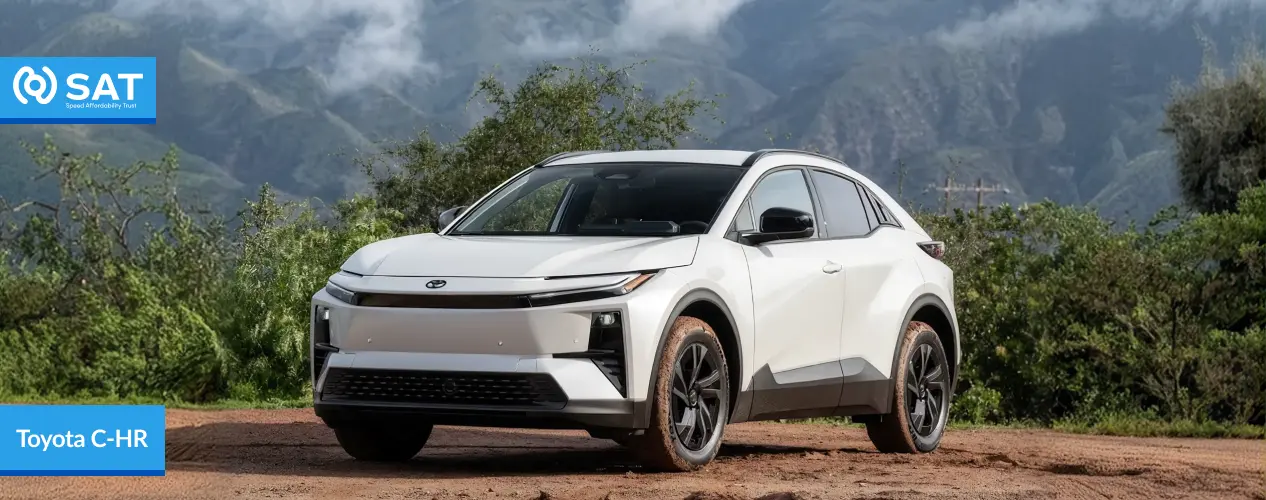
The Toyota C-HR's appeal lies in its SUV design, offered at a more affordable price point than its more traditional SUV counterparts.
Its size makes it easy to travel through UK cities, and its hybrid system helps to maintain low fuel costs.
The Toyota C-HR isn't the largest family car, but it is an excellent choice for those interested in efficiency, comfort, and contemporary styling.
The greatest plus is its balance. It makes users think it's an SUV but still maintains the reliability that Toyota hybrids have earned.
Import advantage: C-HR is well-established in the UK market, with good availability and support.
The C-HR is ideal for urban commuters, families, and buyers looking to move away from traditional hatchbacks.
Verdict: One of the best Japanese hybrid crossovers for general use on UK roads.
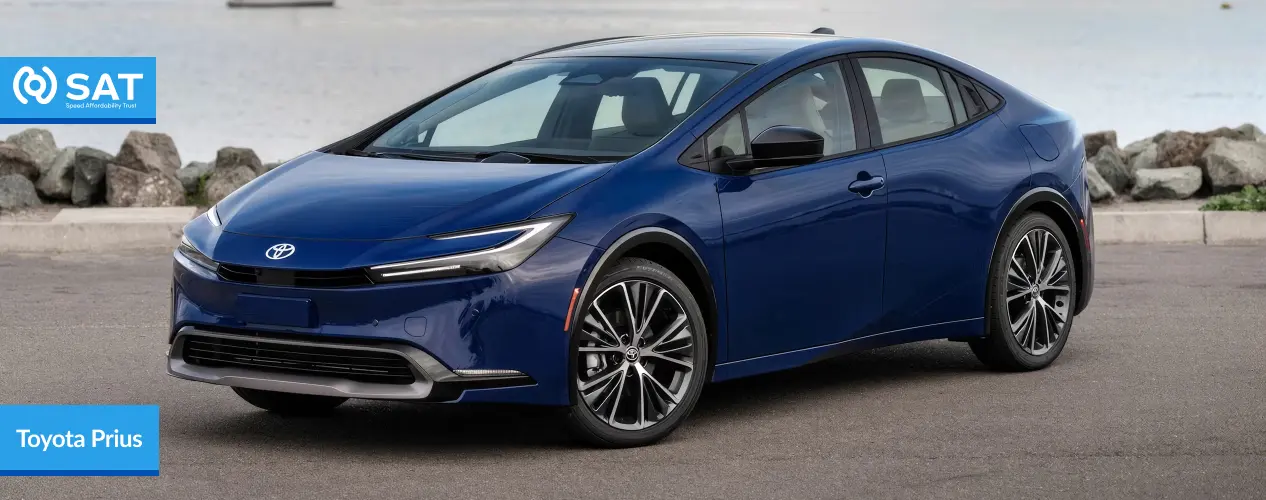
Toyota's Prius is undoubtedly one of the most significant hybrid cars ever made. It's known for its efficiency, durability, and low operating expenses. It is a smart choice for drivers who cover high annual mileage, since its design is geared toward reducing routine costs.
The Toyota Prius isn't a vehicle that's designed to be exciting. The combination of reliable ownership and hybrid technology is what buyers are looking for, making it a popular choice.
There is one important buying tip to keep in mind: Do not base your purchase on mileage. A high-mileage Prius, if properly maintained, can be better than a low-mileage car with a poor history.
Import advantage: Medium. Different specifications are offered with Japanese imports, but UK models already have good support. The Prius is perfect for business drivers, commuters, and those seeking the greatest efficiency.
Verdict: It's a good option for someone who cares more about value for the money than appearance.

The Toyota Sienta Hybrid is a clear example of where Japanese imports can be beneficial. It is not just about being from Japan; it's about addressing many buyers' problems in the UK.
There is a choice between a small economy car at a low price or a larger car, an SUV, with a higher running cost, for the family. The Sienta is an alternative. It is a 7-seater, spacious and efficient, suitable for family use, yet not large enough to be a hassle. The sliding doors and ingenious interior layout make it especially suitable for families in towns and cities with limited space.
Import advantage: The Toyota Sienta is a car type that Japan developed much more strongly than the UK market. The real advantage is not so much the cost savings on the purchase price as the availability of something hard to find locally.
Verdict: One of the smartest Japanese imports to UK life in practice.

The Suzuki Jimny Sierra is built around a simple idea: stay compact, stay capable and keep genuine off-road ability.
Unlike many modern SUVs designed mainly for city roads, the Jimny Sierra retains a proper four-wheel-drive system and a lightweight, compact body. That makes it particularly useful on narrow rural roads, rough tracks and challenging terrain.
Its small footprint is another UK advantage. It is easier to park and maneuver than many larger 4x4s, while still offering the character buyers expect from a Jimny. The Sierra also has strong appeal to enthusiasts. Buyers are not choosing it simply for practicality; they want a distinctive Japanese 4x4 that feels different from the typical UK SUV.
Import advantage: Japanese imports can give UK buyers access to different specifications and a wider choice of Jimny Sierra examples.
Verdict: The Jimny Sierra is a compact Japanese 4x4 with genuine capability, strong character and lasting enthusiast appeal.

The advantage of the Toyota Vellfire is that it isn't competing with a traditional used car. Its greatest virtue is that it isn't fast; it's not about a badge or price. It is about the experience that it gives to a passenger. The UK SUV market is full of high-spec cars, but not so many focus on passenger comfort. This is what makes the Vellfire's opportunity.
For those who frequently transport family members, clients, or multiple passengers, the second row is a more significant part of the cabin than the driver's seat. Here is where the Vellfire adds value. The common error is to compare it only with MPVs. It's more like a comparison to high-priced SUVs and luxury vans. The Vellfire is a compromise; it's more comfortable than many SUVs, but more personal than commercial versions.
It has the best import edge in category access. Japan carved out a niche in luxury MPVs, which Britain failed to catch up with.
Ideal for: Passengers who appreciate comfort, executive travel, or high-class family transportation.
Think twice if: You are primarily a solo driver who prefers simplicity and affordability.
Verdict: The Vellfire is more than just a luxury Japanese car. It is a segment of the car market that the UK market was missing.
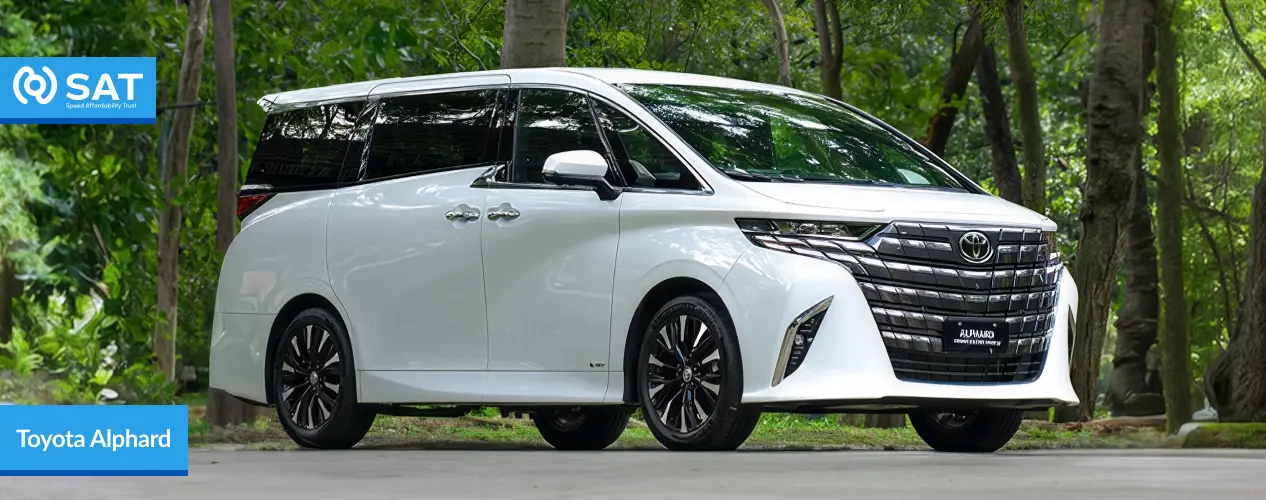
The Toyota Alphard is successful because it shows that all large family cars don't need to be SUVs. While many UK buyers prefer SUVs for space, they sometimes focus on luggage space and driving position rather than passenger comfort.
The Toyota Alphard goes the other way. It is structured to facilitate easy transportation of people. Its real strength seems to be during its actual use – when it's used as it was designed – for several passengers on longer trips.
The most common error among buyers is basing their purchase solely on exterior size or fuel efficiency. The question is, is the passenger experience worth the ownership requirements? For families, passengers at the airport, or businesses that transport passengers, the answer is often yes.
Ideal for: People who want a top-of-the-range passenger room, not just a bigger boot.
Verdict: The Alphard is one of the best examples of the Japanese import bringing something new.

The Nissan Serena is a strong choice for UK families who need more passenger flexibility without moving to a large SUV. Its value comes from using interior space efficiently rather than simply making the vehicle bigger.
For families, the Serena solves a practical problem: carrying several passengers while keeping access and everyday usability manageable. Its MPV layout makes it more focused on people and flexibility than most modern SUVs. The Serena is particularly interesting as a Japanese import because the UK market has moved heavily towards SUVs, leaving fewer choices for buyers who still prefer a true family MPV.
Import advantage: High. Japanese-market Serena models can offer UK buyers access to specifications and configurations less common locally.
Ideal for: Larger families, regular passenger use and buyers who value flexible seating.
Verdict: The Nissan Serena is a practical Japanese import for buyers who need genuine passenger flexibility rather than simply a bigger vehicle.

The Toyota Vitz is unique because of its roots in the Japanese car ownership philosophy, which is marked by efficiency, simplicity, and reliability. It's not about its performance or luxury. It is about reducing the cost and complexity of everyday transport.
While price is important to many buyers, the price to own is determined by consistent maintenance requirements, effective engine performance, and mechanical reputation. The Vitz suits those who don't need many frills or high running costs and want reliable transport.
It is important to note that its import advantage will vary by example. Unlike the rare Japanese-only vehicles, the UK already has similar Toyota small cars – the advantage lies in condition, specification and availability rather than difference in category.
Ideal for: First-time buyers, city drivers and budget-conscious owners.
Verdict: The Vitz is not a deal-breaker import, but it's the logical explanation why Japanese cars are trusted worldwide.
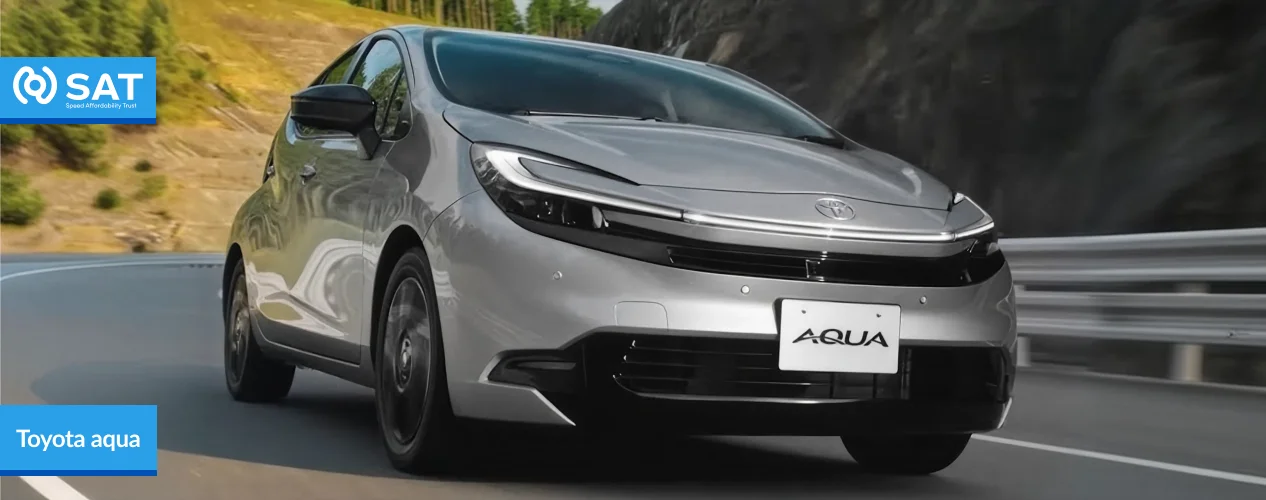
The Toyota Aqua is an excellent option for UK owners looking for cheap city driving without stepping up into a bigger hybrid. Its real import appeal is its size. Easy to park on narrow streets, offers convenient parking, and is suitable for frequent starts and stops. The Toyota Aqua was not a car sold in Europe; hence, UK models are Japanese imports and not a normal UK market car.
This makes a significant trade-off. Mechanical support may be simpler thanks to the shared hybrid technology, though body, trim and electronic components could prove more complex to source in Britain for each model. Before buying, also call for insurance, as grey-import status may influence the insurance policy available.
Best suited for: city commuters, first-time urban hybrids, and those who want convenient parking and/or efficient driving.
Verdict: A good buy for those in the UK market who are most concerned with space-saving and hybrid energy efficiency over extra room and convenience.

For those who are looking for a small car but don't want to sacrifice the usability of the vehicle in the interior, the Nissan Note is an overlooked choice. Balance is its main advantage. It's still small enough to drive through the city, and it's larger than many small hatchbacks in the interior. The Nissan Note is also an interesting import option for those seeking something other than the Aqua and Fit, as Japanese auction supply is available.
The Note e-POWER is a standout feature. While the petrol engine works primarily as a generator, an electric motor powers the wheels, making it more of an electric car than a conventional hybrid.
Best for: City drivers, small families, and drivers seeking a compact car for daily driving.
Verdict: It's a worthwhile inclusion because it offers something different from that small Japanese import, at least when it comes to the cabin and the e-POWER system.
It's not just about getting a better deal when buying Japanese second-hand cars. The first question smart buyers ask is whether the car is really a better buy in the UK.
The first step is to select the suitable vehicle for the purpose and not for the price. Buyers should take into account efficiency, special specifications, family usability, and whether a model is sold in Britain.
A professional importer reviews auction records, condition reports, mileage history, and export documents before purchase. It is then shipped to the UK, where it goes through customs, necessary checks, registration, and insurance, and then hits the road.
The worst choice is to select a vehicle because it is inexpensive in Japan. The ideal imports are those where Japan can really offer something the UK can't, as with the Toyota Sienta Hybrid, which offers compact 7-seat practicality.
The successful import is not a case of purchasing the cheapest vehicle. It's a matter of selecting the right car for extended ownership in the UK.
It's simple to find Japanese vehicles for sale in UK. The challenge is finding the right Japanese car that's verified, priced fairly, and has import confidence.
Typically, UK buyers have two choices: buying from a local dealer or from a trusted exporter from Japan. Having a local dealer can make life easier. Still, direct sourcing can give you access to a much broader selection of Japanese vehicles, original auction information, and clearer cost details.
If you are looking for second-hand cars, SAT Japan offers direct access to Japanese auction stock. Every listing on the vehicle listing page may include auction and condition information to help a prospective purchaser make an informed decision before buying.
The key question is not 'Where is the cheapest car? It is the place where you can check what you buy.
The following is a list of items that UK buyers should verify before selecting a seller:
Will the seller provide you with the auction records?
Are they able to describe the actual condition of the vehicle?
Do import costs become transparent before buying?
Do they assist with the shipping process?
A trustworthy Japanese vehicle importer isn't just about selling vehicles. They guide buyers in selecting cars that are appropriate for UK roads, budgets, and lifespans.
These days, the best way to find Japanese cars for sale is to go to a dealer with the experience and knowledge needed to provide transparency and a strong selection, rather than just a low advertised price. SAT Japan supports UK customers in accessing Japanese vehicles directly, from vehicle selection to import.
The first number is the auction price. The true expense is the money you invest before you can drive the car legally, on the road and within your budget. If it is a Japanese import, then divide the cost into three parts: purchase, roading and ownership. Import VAT and customs duty may apply depending on the vehicle and the circumstances. Where VAT is due, HMRC calculates it on the vehicle's taxable import value, which can include delivery charges, accessories and customs duty.
There's another choice that most buyers overlook: a unique Japanese model might offer something the UK market lacks, but parts, special servicing, insurance, and resale value can also affect its value. That's why we have a simple Import Value Test:
Compare the price of the equivalent UK vehicle with the fully landed import cost, then consider whether the Japanese specification offers additional value.
Unless the result is strong, importing might not be worth the investment. But if the car is filling a real need in the UK car market, the additional import effort may be worth it. A Toyota Sienta Hybrid, for instance, can make its case for import owing to its small size and seven seats. A Corolla won't be able to do it because UK buyers already have a good supply and support. It is not the Japanese used car with the lowest auction price that is the smartest. It's the one that still makes sense when it arrives at your driveway.
There is no single best Japanese used car in the UK. The right choice depends on how you drive and whether buying from Japan gives you a real advantage. For straightforward ownership, the Toyota C-HR is our top all-round choice. For high mileage, choose the Toyota Prius. For families, the Toyota Sienta Hybrid is a strong option due to its compact seven-seat layout.
For buyers seeking genuine 4x4 ability, the Suzuki Jimny Sierra is the specialist choice. For premium passenger comfort, the Toyota Vellfire and Toyota Alphard offer something most UK cars do not. The Nissan Serena is a strong choice for families who value flexible seating and passenger space. At the same time, the Toyota Vitz is a practical budget option for city drivers and first-time buyers.
For buyers considering Japan second-hand vehicles, SAT Japan can provide access to Japanese stock and support through the import process. You can visit the SAT Japan UK office to get the best of the deals in front of your eyes. The key is to compare the fully landed cost, vehicle condition, UK support, and future resale value, not just the Japanese asking price.
Our rule is simple: buy UK-spec when Britain already offers the right car. Consider a Japanese import when Japan offers a clear advantage that remains valuable once it reaches the UK.

Blue Smoke from the Exhaust – Symptoms and Causes

Mastering Driving Hand Signals: Road Safety and Communication

2026 Hyundai Sonata N Line Review: Price, Specs & Performance

Liam Bennett
I am Liam Bennett, and I have worked as a professional in the automotive industry for over a decade, specializing in customer relations, vehicle sourcing, and pricing strategies. I ensure buyers and sellers get the best value in a transparent deal, helping them feel enabled and confident in their automotive transactions. As a writer, I also share my insights on the industry, providing valuable guidance to automotive enthusiasts and buyers alike.
Yes. Japanese cars are generally well-suited to UK driving because Japan also uses left-hand traffic, and many Japanese-market cars are right-hand drive. The bigger issue is choosing a model whose specification, parts, and servicing needs are practical for Britain.
Not necessarily. Insurance can vary significantly between models and insurers, especially for uncommon imports. Before buying, get an insurance quote using the vehicle's exact specifications and import status, rather than assuming that a lower Japanese purchase price means cheaper insurance.
Usually, but availability depends heavily on the model. Common Toyota, Nissan, Honda and Suzuki models are generally easier to support than obscure Japanese-market variants. Before buying a rare import, check parts availability for model-specific body, lighting, electronic and trim components.
For buyers who want less paperwork, a UK-registered example can be easier because the import and registration stages have already been completed. However, you should still verify the vehicle's history, MOT record, specification, and documentation before buying. GOV.UK recommends checking vehicle details and MOT history when buying a used vehicle.
Yes. The original auction sheet provides information on the vehicle's condition, mileage, repairs, inspection history, and more. It is one of the most crucial documents to consider when purchasing second-hand vehicles from Japan.
Ensure that the exporter will provide details of how mileage is verified. Records of auctions, vehicle history, and supporting documents will be sent by a professional exporter rather than relying solely on the dashboard reading.
Ask whether the vehicle provides a real advantage over UK alternatives. The best imports are typically those that offer features not available in the country, for example, Toyota's compact seven-seat practicality of the Sienta Hybrid or Toyota's luxury MPV design of the Alphard.
_1733298329.webp)
The Hyundai Palisade has been one of the most favored family cars in the petrol-head community. The Palisade has been known to blend style, efficiency, agility, and performance, all in one car. Coming in 7 different trims, with 4 diverse driving modes, this vehicle holds the solutions to all your adventure troubles, with a comfortable cabin, ample cargo space, and an innovative infotainment system. Moving into 2025, the 2025 Hyundai Palisade is introduced with some fresh updates making the SUV even more favorable for drivers.
Written below are all the incoming updates and changes to the 2025 Hyundai Palisade.
The 2025 Hyundai Palisade has a 3.8 Liter V6 engine that is paired with an 8 speed automatic transmission which delivers an output of 291 horsepower. This vehicle’s powertrain also features a manual control option for the transmission to give the driver more control. All trims come with a front-wheel drive, with an optional all-wheel drive upgrade to kick things up a notch.
The 2025 Hyundai Palisade’s 0-60 miles per hour driving time was tested to be 6.4 seconds, which is impressive for an SUV its size. Additionally, the front wheel drive Palisade has a fuel-economy of 19 mpg in the city and 26 mpg on the highway.
This three-row SUV is one of the most stylish of its kind; with a bold cascading grille, flanked by powerful and elongated LED lights, and sharp lines throughout the exterior for aerodynamic manipulation. The Palisade has a muscular stance giving it a sporty and intimidating look. The Palisade also comes with convenient exterior features such as a power liftgate, additional roof rails, folding third-row seats, and a panoramic sunroof.
The 2025 Hyundai Palisade has an opulent interior with a spacious cabin lined with the finest materials. The interior has a 12.3-inch touchscreen display featuring a dynamic digital cluster, Android Auto, Apple CarPlay, a premium sound system, dual Bluetooth connectivity, and an innovative remote controlling feature by the Hyundai Blue Link app, which gives you lock control from a distance.
The new model of the 2025 Hyundai Palisade has a starting price of $38,215 and it goes all the way up to the highest trim costing $55,515. The base trim, the SE model costs $38, 215; the second SEL model costs $40,965. The XRT trim comes in at about $44,065 while the SEL Premium trim costs $45,565. The Limited trim of the 2025 Hyundai Palisade costs $49,615 and the Caligraphy model costs $52,015. Last but certainly not least, the Calligraphy Night Edition of the Hyundai Palisade costs $55,515.
The 2025 Hyundai Palisade will be featuring 4 diverse driving modes including comfort, Eco, Sport, and Smart driving modes for an optimized and engaging drive:
Comfort: The comfort mode is set to deliver a seamless and smooth driving experience. The suspension and transmission are tuned for daily commuting driving.
Eco: The Eco mode in the 2025 Hyundai Palisade prioritizes the engine’s fuel efficiency, This mode may not deliver the most powerful performance, but the powertrain is adjusted to consume the least amount of gasoline for the more long-lasting output. This keeps the fuel economy high and decreases fuel costs.
Sport: The Sport mode focuses primarily on the speed and performance of the 2025 Hyundai Palisade. The steering and powertrain are tuned to create the maximum output while maintaining the vehicle’s agility.
Smart: The Smart driving mode is an intuitional setting that analyzes your driving style and switches the driving mode accordingly, giving you maneuverability and balance. This driving mode essentially also helps in fuel efficiency.
In comparison to other latest models, the 2025 Hyundai Palisade is relatively more affordable to maintain. The annual repair and maintenance cost for this vehicle begins at $352 and rises every year because of depreciation and can reach up to $739 in the first five years after purchase. Additionally, with high fuel efficiency, annual fuel costs are calculated to be up to $2,380 per year. All-in-all, you can rest assured that the 2025 Hyundai Palisade has a low maintenance and upkeep cost. Here are some factors contributing to this:
Hyundai Durability: Hyundai, like most other Japanese automakers, has a business model of constant improvement and innovation. These vehicles are engineered to be optimized for long-term usage. This rhombus engineering keeps your 2025 Hyundai Palisade away from the mechanic for a long while.
Expected Maintainance: You can rest assured that even if you were to take your Palisade to the mechanic, it would be out of routine, rather than from an unexpected mechanical breakdown. Routine check-ups such as oil changes and tuning will help maintain the longevity of your vehicle.
Visit Now 2025 Hyundai Elantra.
SAT Japan is the ultimate destination for those searching for well-maintained and certified Used Cars for Sale. We offer impressive deals on a wide range of luxury and economy vehicles. Our expert staff on board is dedicated to your ease and our customer-centric services will make the entire process unbelievably simpler. Our convenient services such as our insurance services, 24-month installment payment plan, and doorstep delivery, keep our customers stress-free. We recognize our responsibility to present the best course of action according to your preferences.
Although there are no revolutionary switch-ups in the design or performance of the 2025 Hyundai Palisade, it is one of the most reliable upcoming full-size SUVs in the automotive market. It is no easy feat searching through the endless sea of options to reach a final decision. Our expert staff and customer-centric services at SAT Japan help you make the right decision at every step of the purchasing process. Hence, SAT Japan is the ultimate car enthusiast website where you can find a plethora of well-maintained options for your potential next ride. Head on over to SAT Japan’s website and scroll through our vast inventory to find the perfect Hyundai car for you.

The modern cars coming in the market are capable of remarkable speeds and give you a highly smooth and comfortable experience. The latest cars are also much safer and come up with advanced and autonomous systems that can stop and steer the vehicle for you in an emergency. However, all the safety and advanced features will not do anything if you have bad tires. For example, inside tire wear is an issue that can affect the tires of many cars rolling on the road. It is not just about purchasing low-quality tires; it is also about not ensuring their proper maintenance.
Tire wear is a common problem that can affect your vehicle’s handling, safety, and performance. Although inner tire wear might seem harmless, it can lead to various serious issues, including reduced traction, poor steering response, and even blowouts.
But why do tires wear out from the inside, and how can you prevent it?
By understanding the factors that contribute to inner tire wear, you can increase the life of your tires and keep them performing at their best.
There are several reasons why your tire can wear from the inside. Below we discuss some of the reasons in detail.
Misaligned wheels can lead to irregular tire wear. When the bottom part of the tire is leaning towards the outside, it is called a negative camber. Positive camber is when the top part of the tire is leaning towards the outside.
When there is improper alignment in the tires, the inner part of the tire makes more contact with the road surface. Because of that, you might observe the inside of the front tires wearing down.
Poor wheel alignment can also mess up your camber. You can verify this by cruising on a flat section of asphalt. If your vehicle is not moving straight even after pointing the wheels at a 12 o’clock position, it means your wheels are not aligned properly.
Driving your vehicle aggressively puts a lot of stress on your tires. It can also overheat various components of the tires and wear the thread at a faster pace because of abrasion. Aggressive riding includes running your vehicle at maximum acceleration, hard cornering, and pushing brakes for prolonged periods. Tire wire showing is an indication of your tires being severely damaged.
It is essential to note that, unlike race cars, standard vehicles are not designed to be driven aggressively all the time. The tires in race cars are specifically designed to give maximum gain and resolve steering on the road. However, other tires cannot keep up with constant beating from drifting and fast driving.
For more insights into premium tire options, check out our detailed comparison: Bridgestone vs. Michelin Tires.
The suspension components of a vehicle are designed to not only absorb road shocks and vibration but also to make sure that the vehicle’s shock ride height remains the same. It is important because camber angles are directly affected by it, and it can increase inside tire wear.
Suspension components such as springs can sag through regular use. Faulty or defective springs fail to absorb shocks and vibrations, which can damage other suspension components of the vehicle as well.
Also, the defective spring can lower the vehicle’s stock ride height, which can change the camber angles.
These components are made of rubber or elastomer and serve to link the chassis and steering knuckles. These bushings eliminate excess free movement within the vehicle, which can have a negative effect on camber angles. As a result of frequent use, the control arm bushing wears down gradually, leading to increased movement and more tire wear on the inside.
It is crucial to fix the inner tire wear to avoid further damage to the vehicle’s components, such as ball joints and springs, and ensure more safety.
Get your wheel balanced after every one or two years. If you have installed new tires in the vehicle, you should get them balanced immediately to protect them from wearing out.
If you notice uneven tire wear, check your suspension system. Damage to the suspension system can accelerate the inner tire wear, resulting in future problems such as a decrease in vehicle speed and expensive repairs.
Innerwear on tires occurs when the driver does not maintain their tires regularly. Just like your vehicle, your tires require extra care to give you a safe ride.
Regularly check the tire pressure of your vehicle. It is an important practice because understated tires can cause the sidewall to flex, which can lead to instability at higher speeds. Also, underinflation can cause other problems, including cracked rubber, tread separation, bulges, and more. If the tires are overinflated, they can bulge in the center, causing increased wear in that area.
Therefore, it is preferable to check the tire pressure once every month, especially after large temperature changes.
If you notice damage on any of the suspension components, it is important to get your vehicle inspected by a professional mechanic. Doing that will resolve the issue and your car will also stay safe.
Tire wearing on the inside can also occur as a result of overloading. It is important to adhere to the vehicle weight limits mentioned by the manufacturers. Overloading includes passing extra passengers, carrying excessive cargo, or towing large tailors, which can put stress on the components of the tire.
Tires wearing on the outside and inside can seriously affect the handling and safety of your vehicle. You can avoid internal tire damage with a routine inspection of your suspension system and alignment and by taking proper care of your tire. It is also important to get your vehicle inspected by a professional mechanic every once in a while.

There are a lot of parts that go into making your vehicle run fast and look its best. The engineers have spent years and years tuning car emission systems to personalize the sound a vehicle makes when it’s on the road. However, when it comes to riding, not everyone wants to have a quiet ride, and for that, you can modify your vehicle’s straight pipe exhaust system and alter the sound your engine produces.
A very exciting modification for car owners currently is the straight exhaust system, particularly for people who want to improve the performance of their ride. One reason car owners choose it is its greater functionality in compression compared to stock exhaust. The reduced backpressure supports greater functionality, resulting in increased engine performance.
If you are wondering if a straight-pipe exhaust system is right for you, keep reading to learn the pros and cons of installing one in your vehicle.
Straight pipe exhaust is becoming one of the most common modifications among car fans who enjoy the roar of their engine along with the additional power of their vehicles. Unlike standard exhaust systems, straight-pipe exhaust systems do not have a resonator, muffler, or catalytic converter. You can witness this type of exhaust in racing cars and other high-performance vehicles.
The exhaust system allows the fumes to flow freely from the engine’s exhaust headers, allowing them to go into the atmosphere directly through the exhaust tip. They increase the horsepower of your engine because there are no restrictions on the exhaust, and the gases to flow freely.
Explore our in-depth guide on the straight pipe exhaust system to enhance your car's performance and sound quality.

There are many reasons for considering a straight pipe exhaust for your vehicle, including:
Increased Performance
The prime reason why many people choose straight pipe exhaust is because these systems increase your vehicle’s horsepower and torque. These systems also reduce the back pressure from the engine, allowing the exhaust gases to move freely and assisting the engine to perform without any hindrances. This mode is particularly designed for sports vehicles as it does not hinder gas flow and enhances the car’s performance.
Engine’s Original Sound
The straight pipe lets the true sound of the engine come out. Normally, there are mufflers, catalytic converters, resonators, and other similar components present to reduce the sound of the engine. However, straight pipe exhaust allows the raw and pure sound of the engine to come out.
Less Weight
When a vehicle’s weight is reduced, it becomes faster and more efficient. Mufflers and catalytic converters weigh a lot, and if you love racing, you surely would want to have a lighter vehicle. A straight pipe exhaust weighs much less than the original exhaust.
Aesthetic Appeal
Straight pipes also give an aesthetic look to your vehicle and make it stand out. To make the vehicle look more appealing, you can apply a chrome finish to the exhaust tip. To give additional colors to the tip, various types of welding methods are used. You can even go for a twin-pipe setup for even better aesthetics.
Remarkable Fuel efficiency
Without mufflers and a catalytic converter, the engine creates low back pressure, leading to better combustion. This also means lower fuel consumption.
Straight-pipe exhaust systems also have their own cons, including:
Rampant Emissions
It’s true that straight pipes make a remarkable sound, but they are not great for the environment. In the late 20th century, catalytic converters came into the market to control the harmful gas emissions from cars into the environment. Removing catalytic converters can be really bad for the environment.
Expensive
Installing straight pipes can be expensive. New pipes are not cheap, and finding them at a good price is not easy, so most car enthusiasts go for custom-built exhaust pipes. Also, after installing a straight pipe exhaust system, you have to tune your car according to certain standards to get the most out of it.
It Might Not be Legal
Modifying a vehicle to a straight-pipe exhaust system and removing mufflers and catalytic converters is not legal in many states in the US. However, it varies from state to state. Therefore, before installing an exhaust pipe in your exhaust, you should go through your state’s rules.
Effects Resale Value
Customizing your vehicle can also make it harder to sell it at a high price in the future. An average buyer might not find pipe exhaust to be as valuable as you do. So, you might be forced to spend extra money on reinstalling a standard exhaust system or accept a low price when selling your vehicle.
The total cost of pipe exhausts depends on various factors, including the model of the vehicle, the materials used, and the length of the exhaust. Overall, you might have to pay around $200 to $1000 with a labor cost of about $100 to $600.
Keep in mind that depending upon the customization and the mechanic, the cost can go much higher. Generally, it is preferable to get quotes before choosing a professional.
Subscribe to SAT Japan to get all the latest car news, tips, and tricks for a smooth ride.